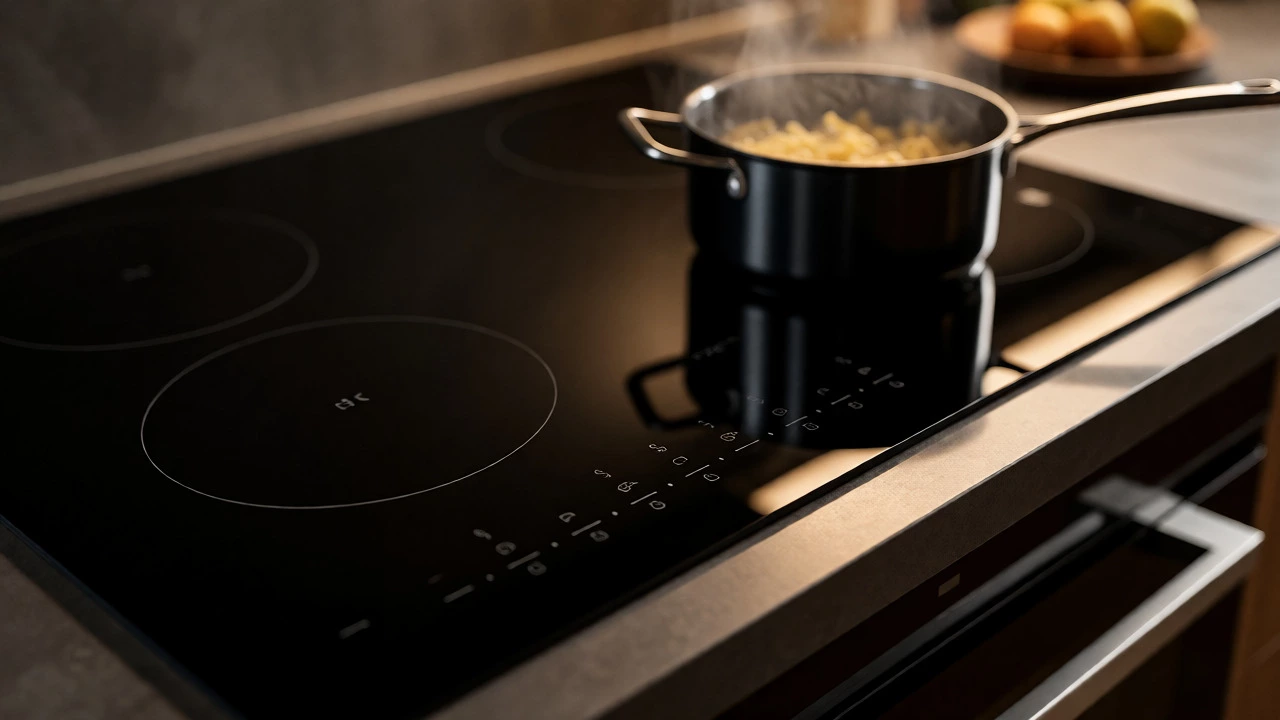
Electric Hob Reset Troubleshooter
Follow this guided process to fix common electric hob issues. Use the built-in timer for the critical waiting period.
Step-by-Step Hard Reset Guide
-
1. Turn Off Controls
Ensure all zones are switched off via the control panel if they still respond. This prevents power surges when restoring electricity.
-
2. Locate Circuit Breaker
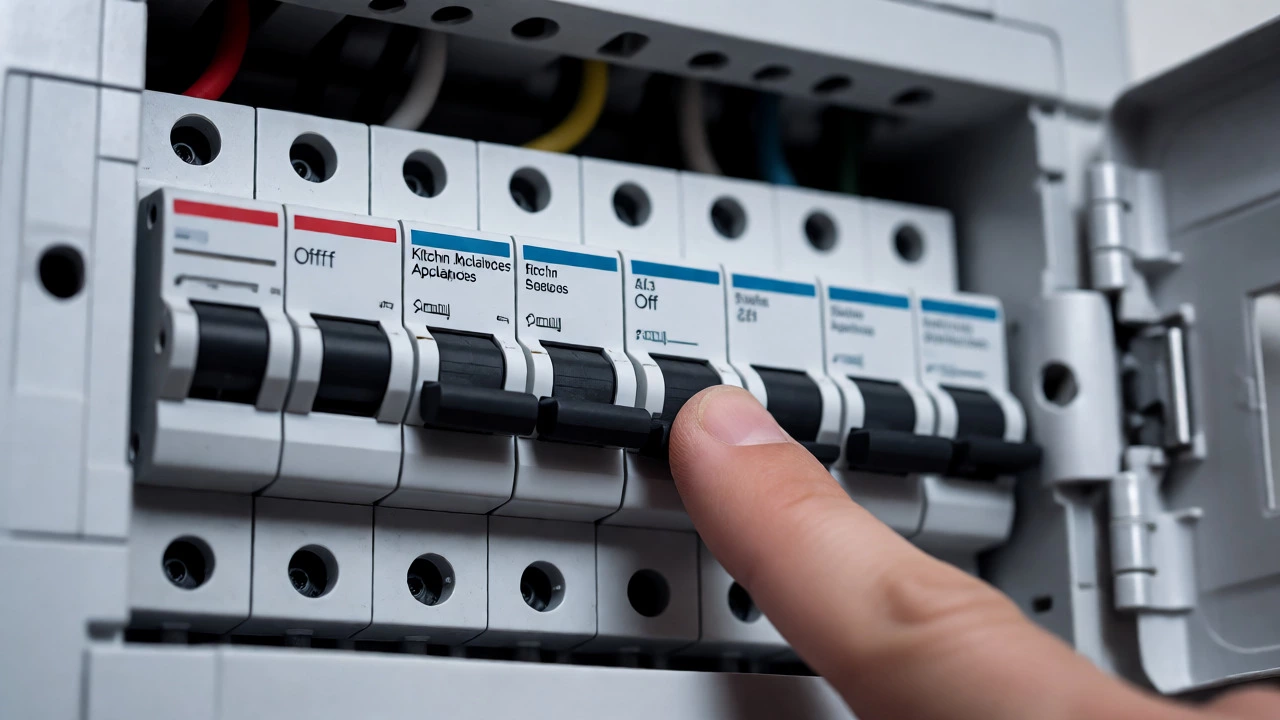
Go to your switchboard. Find the switch labeled "Hob," "Stove," or "Kitchen." If unsure, turn off the main kitchen switch.
-
3. Cut Power Completely
Flip the breaker to "Off." You should hear a click. Ensure the display on the hob goes completely black.
-
4. Wait for Capacitors to DischargeWaiting...Recommended wait time:15:00
Modern electronics need time to fully reboot. Waiting 15-30 minutes ensures capacitors discharge and error codes clear from memory.
-
5. Restore Power
Flip the circuit breaker back to "On." The display may flash briefly as it initializes.
-
6. Test Functionality
Turn on a single zone. Check for heat response and ensure no error codes (like E0, F1) appear on the display.
You’re in the middle of cooking dinner, the pasta is boiling, and suddenly your electric hob goes dead. The lights flicker off, the touch controls stop responding, or maybe a specific zone just refuses to heat up. Before you panic about calling a technician or buying a new unit, there’s a good chance you can fix this yourself with a simple reset.
Most modern hobs have built-in safety mechanisms that trip when they detect overheating, power surges, or control board glitches. A reset often clears these errors and gets you back to cooking in minutes. But here’s the catch: not all resets are created equal. Depending on whether you have an induction, ceramic, or traditional radiant electric hob, the method varies slightly. Let’s walk through exactly how to do it safely and effectively.
The Hard Reset: Cutting Power Completely
The most common and effective way to reset an electric hob is what technicians call a "hard reset." This involves completely cutting electrical power to the unit for a set period. Think of it like restarting your computer when it freezes. It forces the internal electronics to reboot and clear any temporary error codes stored in the memory.
Here is the step-by-step process:
- Turn off the hob: Ensure all zones are switched off using the control panel if they still respond.
- Locate the power source: Go to your home’s switchboard (circuit breaker box). Look for the switch labeled "Hob," "Stove," or "Kitchen Appliances." If you aren’t sure, turn off the main switch for the kitchen area.
- Cut the power: Flip the circuit breaker to the "Off" position. You should hear a distinct click.
- Wait: Leave the power off for at least 10 to 15 minutes. Some manufacturers recommend waiting up to 30 minutes to allow capacitors to fully discharge and the control board to reset completely.
- Restore power: Flip the circuit breaker back to "On."
- Test the hob: Turn on a single zone to see if it heats up. Check if the display shows any error codes.
If the hob works after this, great! You’ve likely cleared a software glitch or a minor power surge issue. If it doesn’t, we need to dig deeper.
Understanding Why Your Hob Needs a Reset
Why does a hard reset work? Modern induction hobs and ceramic hobs rely on complex electronic control boards. These boards manage power distribution, temperature sensors, and safety locks. When something unexpected happens-like a sudden voltage spike from a storm or a brief interruption in the grid-the system might enter a "safe mode" to prevent damage.
Common triggers for a reset include:
- Overheating protection: If the hob gets too hot internally, a thermal cut-out trips. This often requires cooling down before resetting.
- Power surges: Lightning strikes or unstable grid connections can confuse the microprocessors.
- Control panel lock: Accidentally activating the child lock or demo mode can make the hob appear broken.
- Sensor errors: Dirty sensors or moisture ingress can send false signals to the control board.
| Hob Type | Common Reset Issue | Specific Fix |
|---|---|---|
| Induction | Error code E0/E1 (No pan detected) | Check cookware compatibility; reset may clear sensor lag. |
| Ceramic/Glass | Display blank or flashing | Hard reset via breaker; check for water under knobs. |
| Radiant (Coil) | Zone won't heat | Check element connection; less likely to need electronic reset. |
Soft Resets and Control Panel Locks
Before you go hunting for your circuit breaker, try a soft reset. Many hobs have a dedicated reset function on the control panel itself. This is especially true for high-end brands like Bosch, Siemens, or Fisher & Paykel, which are popular in Auckland homes.
Look for these signs:
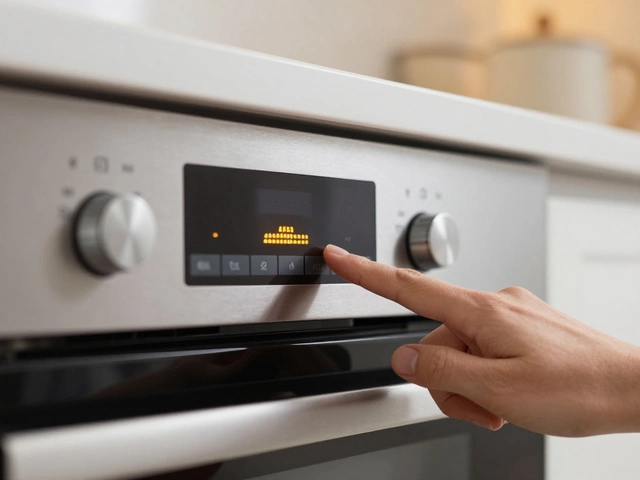
- A padlock icon is lit up on the display. This usually means the child lock is active. Press and hold the lock symbol for 3-5 seconds to deactivate it.
- The word "Demo" appears. Demo mode lets you test the lights without heating. Hold the power button or a specific combination (check your manual) to exit.
- An error code like "F1" or "E2" is displayed. Sometimes, pressing the "Cancel" or "Stop" button twice will clear the code without needing to cut power.
If the display is completely black and unresponsive, a soft reset won’t work. You’ll need to go back to the hard reset method described earlier.
When a Reset Won’t Work: Checking Physical Components
If you’ve cut the power, waited 30 minutes, and restored it, but the hob still won’t start, the problem might be physical rather than electronic. Here are three things to check before calling a pro:
1. The Circuit Breaker Tripped Again
If the breaker flips back to "Off" immediately after you turn it on, you have a short circuit. Do not keep resetting it. This indicates a faulty heating element, a damaged wire, or a failed control board. Continuing to reset it could cause further damage or even a fire hazard.
2. Blown Fuses (Older Models)
Some older electric hobs don’t connect directly to the house wiring but plug into a socket with a fuse. Check the plug. If the fuse has blown (the filament inside is broken), replace it with one of the exact same amperage rating. Using a higher-rated fuse is dangerous as it won’t protect the appliance.
3. Moisture Ingress
In New Zealand kitchens, steam and spills are common. If water got under the glass top or into the control knobs, it can short out the electronics. After a spill, dry the surface thoroughly. If you suspect water got inside, leave the hob unplugged for 24 hours to let it dry out completely before trying to reset again.
Special Considerations for Induction Hobs
Induction technology is different from standard electric hobs. It uses magnetic fields to heat the pan directly, not the glass surface. Because of this, induction units are more sensitive to power fluctuations and cookware issues.
If your induction hob needs a reset frequently, consider these factors:
- Voltage stability: Induction hobs require stable voltage. If your neighborhood experiences frequent brownouts, consider installing a voltage stabilizer.
- Cookware compatibility: Not all pots work with induction. If the hob keeps showing "No Pan" errors, try a different pot. A magnet should stick firmly to the bottom of compatible cookware.
- Fan blockages: Induction hobs have cooling fans underneath. If dust or grease blocks the vents, the unit overheats and shuts down. Clean the vents regularly with a soft brush.
Preventing Future Reset Issues
Once you’ve got your hob working again, you want to avoid having to reset it every week. Prevention is easier than cure.
First, invest in a surge protector. While many people think built-in fuses are enough, a whole-home surge protector or a dedicated one for the kitchen circuit can save your expensive appliances from lightning strikes and grid fluctuations.
Second, keep the ventilation clear. Never push the hob flush against a wall or cabinet if the manufacturer specifies clearance requirements. Blocked airflow leads to overheating, which triggers automatic shutdowns.
Third, clean carefully. Avoid spraying cleaner directly onto the control panel or edges of the glass. Spray onto a cloth first, then wipe. This prevents liquid from seeping into the internal components.
When to Call a Professional
A reset solves about 60% of electric hob issues. But sometimes, the problem is beyond DIY scope. Call a qualified appliance repair technician if:
- The circuit breaker trips repeatedly upon resetting.
- You smell burning plastic or see smoke coming from the hob.
- The glass top is cracked or chipped (this can affect induction coils).
- The control panel is physically damaged or buttons are stuck.
- The hob is still under warranty (DIY repairs might void it).
In Auckland, ensure your technician is registered and insured. Electrical repairs involve high voltage, and mistakes can be costly or dangerous.
How long should I wait after turning off the power to reset an electric hob?
You should wait at least 10 to 15 minutes. For some models, particularly those with large capacitor banks, waiting 30 minutes ensures all residual charge is dissipated and the control board fully reboots. Always consult your user manual for the specific recommended time.
Can I reset my electric hob without a circuit breaker?
If your hob is plugged into a standard outlet rather than hardwired, you can simply unplug it for 10-15 minutes. However, most modern electric hobs are hardwired directly into the mains, so you must use the dedicated circuit breaker in your switchboard to cut power.
My hob display is on, but it won't heat. Does a reset help?
Yes, a reset can help if the issue is a software glitch or a tripped thermal sensor. However, if the display works but no zone heats up, it could also indicate a failed relay on the control board or a broken heating element. Try the reset first; if it fails, professional diagnosis is needed.
Is it safe to reset an electric hob myself?
Yes, resetting via the circuit breaker is safe as long as you follow proper procedures. Ensure your hands are dry, use insulated tools if opening panels (though usually not required for a basic reset), and never attempt to open the hob casing while it is connected to power.
What does error code E0 mean on an induction hob?
Error code E0 typically means "No Pan Detected." The hob’s sensors cannot find suitable cookware. Check that you are using induction-compatible pots (ferromagnetic material) and that the pan is centered correctly on the zone. A reset may clear the error if it was caused by a sensor glitch.