No Hot Water Troubleshooter
Diagnosis Complete
There is nothing quite as miserable as stepping into a shower expecting warmth and getting hit with icy water. It’s a shock to the system, especially if you’re trying to wake up for work or wind down after a long day. If your shower has suddenly gone cold, don’t panic yet. Before you call out a professional water heater repair service, there are several things you can check yourself. Often, the issue isn't a broken unit but a simple setting error or a minor component failure that you can resolve in minutes.
In this guide, we’ll walk through the most common reasons why your shower loses heat and how to fix them. We’ll cover everything from checking the thermostat on your gas cylinder to diagnosing issues with electric storage tanks and instant heaters. Whether you live in an older Auckland apartment with a flueless heater or a modern home with a solar thermal system, these steps will help you get back to comfort quickly.
Is It Just the Shower?
Before tearing apart any panels or calling a technician, you need to isolate the problem. The first question to ask is: is the cold water limited to the shower, or is it affecting other taps too?
Turn on the hot water tap in the kitchen sink. Then check the bathroom basin. If all hot water taps are running cold, the issue lies with your main water heating system-the boiler, cylinder, or heat pump. If only the shower is cold while the rest of the house has hot water, the problem is likely within the shower unit itself or its specific supply lines.
This distinction saves you time and money. If it’s just the shower, you might be looking at a faulty diverter valve or a blocked mixer. If it’s the whole house, you’re dealing with the central heating source.
Check the Thermostat and Power Supply
It sounds obvious, but human error is responsible for more "broken" water heaters than actual mechanical failures. Start by checking the temperature control.
- Electric Storage Heaters: Look for the dial on the front of the tank. Is it turned off? Did someone accidentally bump it to zero? Turn it up to around 60°C (140°F) and wait 30-60 minutes. These units take time to reheat large volumes of water.
- Gas Instantaneous Heaters: Check the digital display or analog dial. Ensure the unit is switched on at the power point. Many people forget that these units require electricity to ignite the gas, even though they use gas for heat.
- Circuit Breakers: Go to your fuse box (consumer unit). Look for a tripped switch labeled "Hot Water," "Heater," or "Bathroom." If it’s in the middle position, flip it fully off, then back on. If it trips again immediately, you have an electrical fault-stop touching it and call an electrician.
If the power is on and the thermostat is set correctly, move on to the next step.
Troubleshooting Gas Water Heaters
If you have a gas-powered system, such as a continuous flow heater or a gas-fired cylinder, the mechanics are slightly different. Here is what to look for:
The Pilot Light or Ignition System
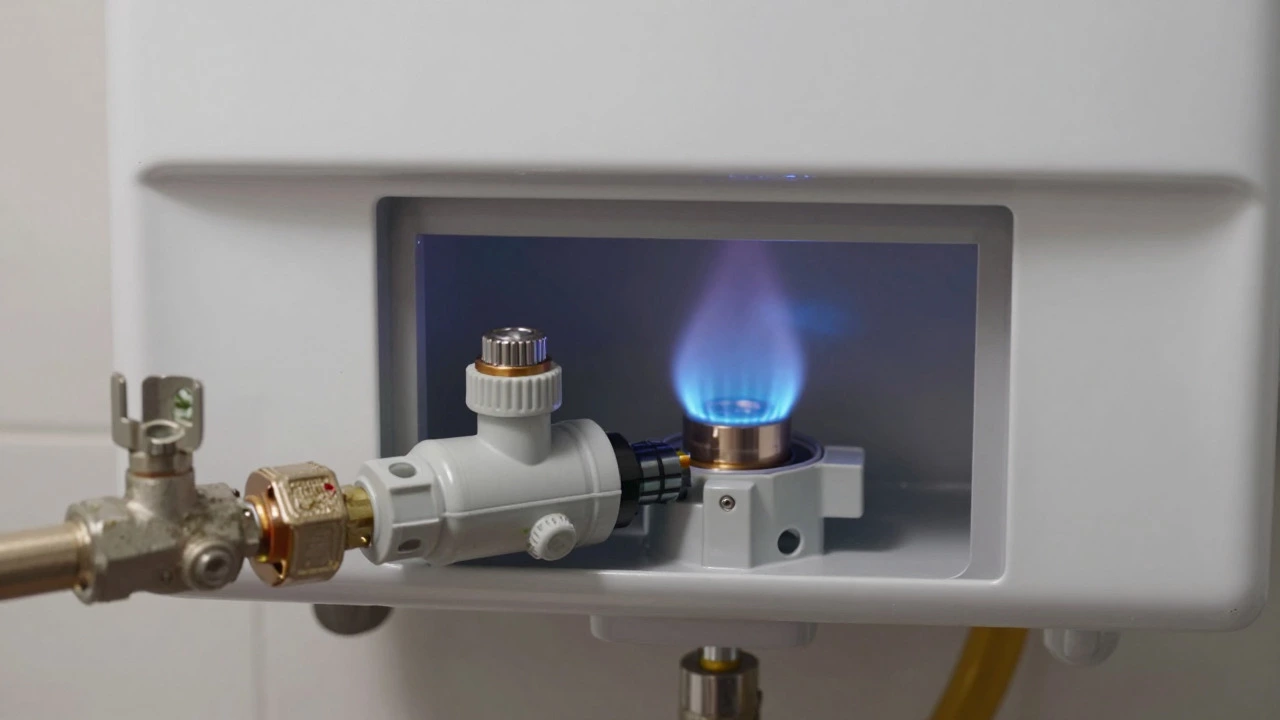
Older gas heaters often have a standing pilot light-a small blue flame that stays lit to ignite the main burner when you turn on the water. If this light goes out, you get no heat. Look through the viewing window on the front of the unit. Do you see a blue flame?
If the flame is out, consult your manual for relighting instructions. Usually, this involves holding down a button while striking a spark. If the flame won’t stay lit, the thermocouple (a safety device) might be dirty or failing. This is a cheap part to replace, but if you’re not comfortable working with gas, call a licensed gasfitter.
Newer units use electronic ignition. If you hear clicking sounds but no flame, the igniter might be faulty, or there could be a gas supply issue. Check if your stove lights up. If the stove works but the heater doesn’t, the issue is isolated to the heater’s gas valve or control board.
Flow Switch Failure
Instantaneous gas heaters rely on water flow to trigger ignition. Inside the unit is a small turbine or paddle wheel. When water flows, it spins, sending a signal to light the gas. Over time, limescale or debris can jam this mechanism. If the water runs but the burner never clicks on, the flow switch may be stuck. You can sometimes clean it by turning off the water supply, removing the inlet filter, and rinsing it out.
Troubleshooting Electric Storage Tanks
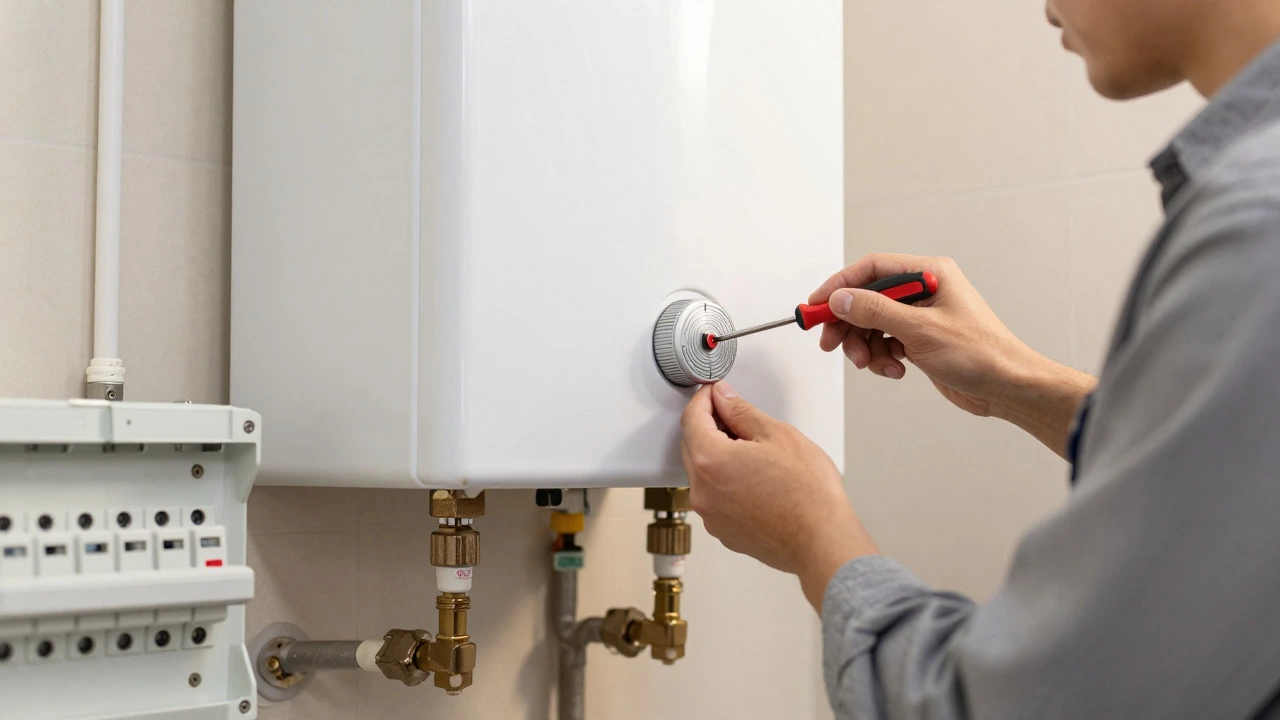
Electric storage tanks are common in New Zealand homes because they are easy to install and maintain. However, they have two main points of failure: the element and the thermostat.
The Heating Element
The immersion element is the metal rod inside the tank that heats the water. If it burns out, you’ll have cold water. You can test this with a multimeter if you’re handy. Turn off the power at the mains, remove the access panel, and measure the resistance across the element terminals. If there’s no continuity (infinite resistance), the element is dead and needs replacing.
Replacing an element costs about $50-$100 for parts and takes roughly an hour. It’s a DIY job if you know basic plumbing and electrical safety rules. If you’re unsure, hire a qualified electrician.
Thermostat Malfunction
The thermostat tells the element when to stop heating. If it fails in the "off" position, the element never turns on. If it fails in the "on" position, the water gets dangerously hot, which triggers the thermal cut-out (safety switch). In this case, you’ll have no hot water until you reset the cut-out button (usually red) on the top of the tank. Note: If you have to reset it frequently, the thermostat is likely defective and should be replaced alongside the element to prevent future issues.
Dealing with Hard Water and Limescale
Auckland’s water quality varies, but many areas have moderately hard water. Over time, calcium and magnesium minerals build up inside pipes, showerheads, and heater components. This limescale acts like insulation, preventing heat transfer.
If your water pressure is low and the water is lukewarm instead of scalding, limescale might be clogging the showerhead or the internal valves of an instantaneous heater. Remove the showerhead and soak it in white vinegar overnight. Rinse it thoroughly. If the flow improves and the water gets hotter, you’ve found the culprit.
For instantaneous heaters, limescale can coat the heat exchanger. This reduces efficiency and eventually causes overheating errors. Flushing the system with a descaling solution annually can extend the life of your unit significantly.
When to Call a Professional
While many issues are DIY-friendly, some situations require expert intervention. Call a licensed plumber or gasfitter if:
- You smell gas. Evacuate the house and call Emergency Gas from outside.
- The water heater is leaking. A small drip under the drain valve might be normal pressure relief, but pooling water indicates a corroded tank that needs replacement.
- You’ve checked the power, gas, and thermostats, and still have no heat. Internal circuit boards or gas valves are complex and dangerous to tamper with without certification.
- The unit is making banging or rumbling noises. This usually indicates severe sediment buildup or airlocks that require professional flushing.
In Auckland, always ensure your technician is licensed by WorkSafe NZ for gas work or holds a Restricted Electrical Worker (REW) license for electrical components. This protects you from poor workmanship and ensures compliance with local building codes.
Preventing Future Cold Showers
Once you’ve fixed the immediate issue, take steps to avoid recurrence. Install a scale inhibitor on your cold water inlet if you have hard water. This small device dissolves minerals before they reach your heater. Schedule annual maintenance checks for gas units to inspect burners and ventilation. For electric tanks, flush the sediment out every two years by draining a few gallons from the bottom valve.
Finally, consider upgrading if your unit is over 10-15 years old. Older models are less efficient and more prone to failure. Modern heat pump water heaters, for example, use up to 70% less electricity than traditional electric tanks, saving you money on bills while providing consistent hot water.
Why is my shower cold but the kitchen tap is hot?
This usually means your main water heater is working fine. The problem is isolated to the shower unit. Check the shower’s mixing valve, diverter cartridge, or internal heating element (if it’s an electric shower). A blocked showerhead or low water pressure can also cause insufficient flow to trigger the heater in instantaneous units.
How long does it take for a water heater to reheat?
It depends on the type. Instantaneous gas or electric heaters provide hot water immediately as it flows. Electric storage tanks typically take 1.5 to 3 hours to fully reheat a standard 150-200 liter tank after heavy use. Gas-fired cylinders are faster, usually taking 30-60 minutes.
Can a tripped breaker cause no hot water?
Yes. If the circuit breaker for your water heater trips, the unit loses power and stops heating. Check your consumer unit for a switch in the middle position. Flip it off and back on. If it trips again immediately, do not force it; you likely have a short circuit or faulty element requiring an electrician.
Is it safe to relight a pilot light myself?
If you follow the manufacturer’s instructions carefully, yes. However, if you smell gas strongly before attempting this, evacuate and call emergency services. If the pilot light keeps going out after relighting, the thermocouple or gas valve may be faulty, and a professional should inspect it to prevent carbon monoxide leaks.
What is the average cost of water heater repair in Auckland?
Minor repairs like replacing a thermostat or element range from $150 to $300 including labor. More complex issues involving gas valves, circuit boards, or leaky tanks can cost between $400 and $800. Full replacement of a unit typically starts at $1,500 for basic electric models and goes up to $3,000+ for high-efficiency heat pumps or large gas systems.