Freezer Troubleshooting Diagnostic Tool
Follow this step-by-step diagnostic process to identify the issue with your freezer. Select the symptoms you are experiencing to get a likely cause, difficulty level, and estimated cost.
Select options above and click "Diagnose Issue" to see results.
Repair vs. Replace Calculator
Enter details to decide if repair is worth it.
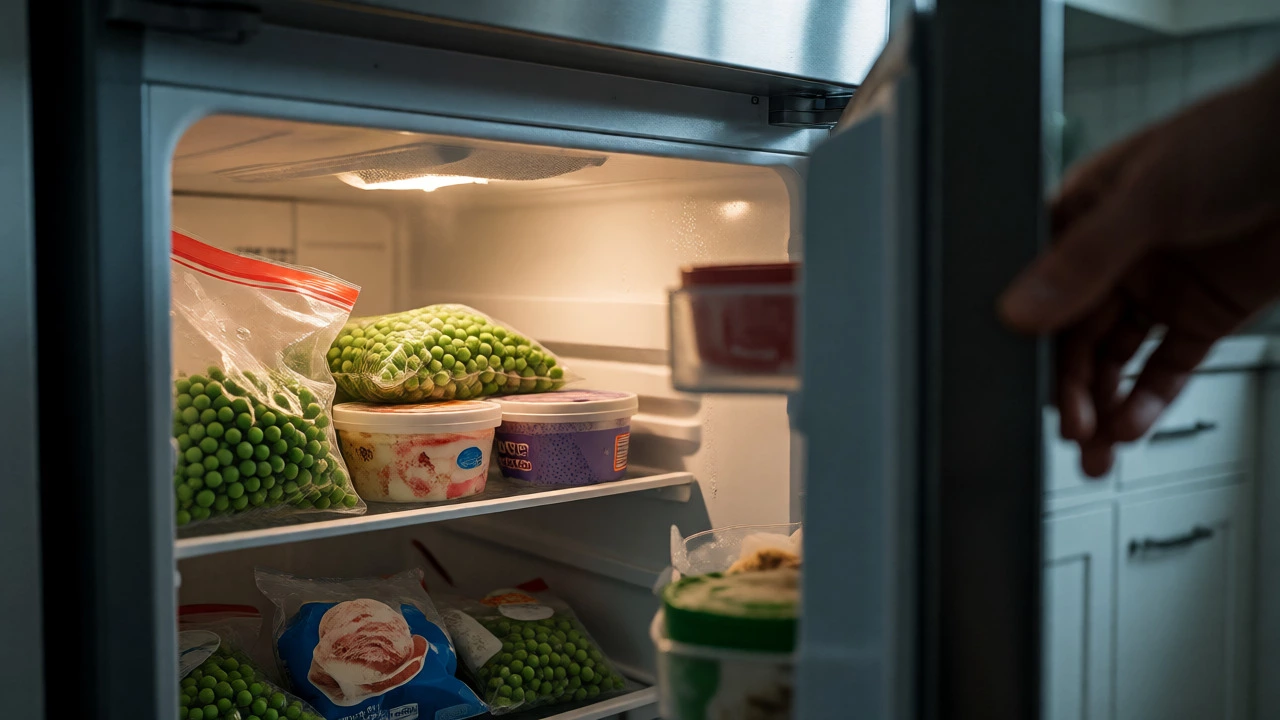
You open the door expecting ice-cold air, but instead, you’re hit with lukewarm humidity. Your frozen peas are thawing into mush, and your ice cream has lost its shape. It’s a panic moment for most homeowners. Before you call a technician or rush out to buy a new unit, take a breath. Most cases of a freezer that is not cooling properly can be diagnosed and often fixed in under an hour with basic tools and a bit of patience.
This guide walks you through the exact steps to identify why your freezer stopped working. We’ll move from the simplest, no-cost fixes to more involved mechanical checks. By the end, you’ll know if it’s a minor issue like dirty coils or a major component failure like a bad compressor.
Check the Basics First
Before grabbing a screwdriver, rule out the obvious. It sounds too simple to be true, but these small oversights cause a surprising number of "broken" appliances.
- Power Supply: Ensure the freezer is actually plugged in. Check the outlet by plugging in another device, like a lamp. Also, check your home’s circuit breaker box. If the breaker tripped, reset it. If it trips again immediately, you have an electrical short.
- Temperature Settings: Verify the thermostat hasn’t been accidentally turned down. The ideal temperature for a freezer is 0°F (-18°C). Give it at least 24 hours after adjusting settings to see if temperatures drop.
- Airflow Obstruction: Did you recently shove a massive turkey or a stack of boxes into the freezer? Items blocking the vents prevent cold air from circulating. Rearrange contents so air can flow freely between packages.
Inspect the Condenser Coils
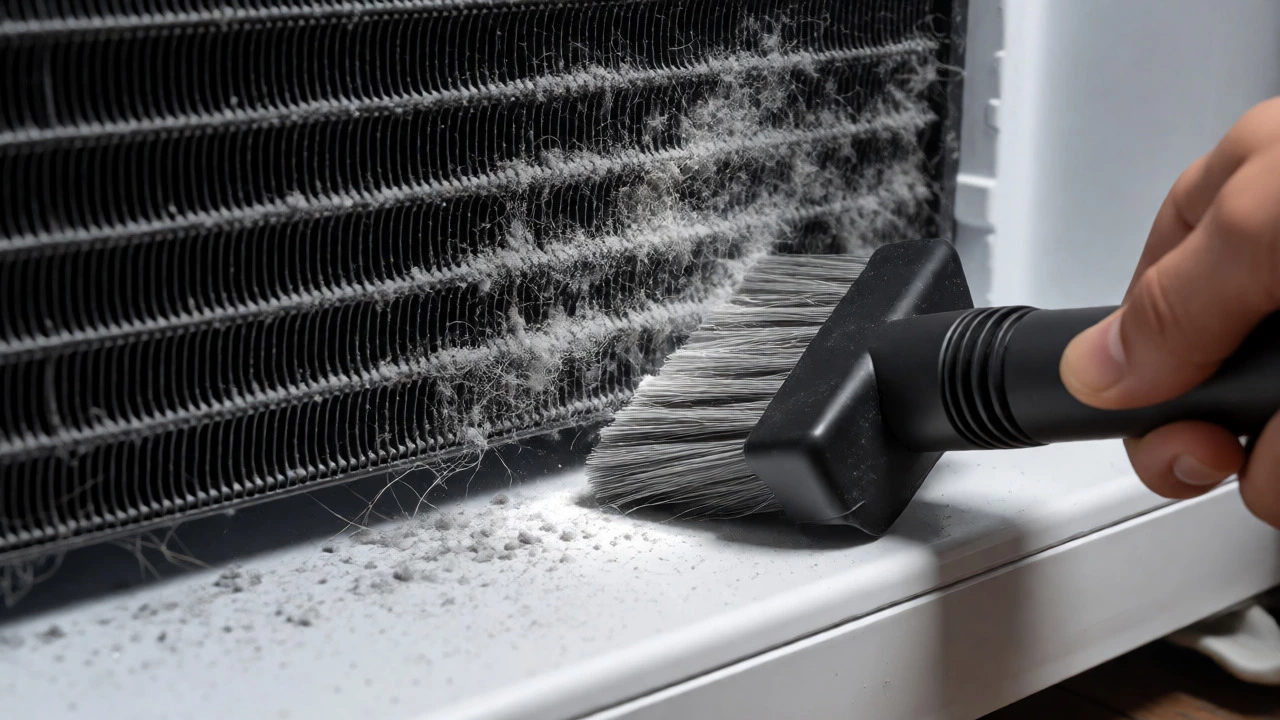
If the basics look good, the next culprit is usually heat buildup. Your freezer works by moving heat from inside the cabinet to the outside. This happens at the condenser coils. When these coils get clogged with dust and pet hair, they can’t release heat efficiently. The system overworks, cools poorly, and eventually stops cooling altogether.
Most freezers have coils located either behind a kick plate at the bottom front or on the back panel. Unplug the unit first. Use a coil brush or a vacuum cleaner with a brush attachment to gently remove the debris. You’d be shocked at how much fluff comes off. Cleaning this takes ten minutes and can restore full cooling power instantly.
| Cause | DIY Difficulty | Typical Cost | Time Required |
|---|---|---|---|
| Dirty Coils | Easy | $0 (Cleaning) | 15 mins |
| Defective Door Seal | Easy | $20-$50 | 30 mins |
| Evaporator Fan Failure | Moderate | $50-$150 | 1-2 hours |
| Defrost Timer/Control Board | Moderate/Hard | $30-$200 | 1-3 hours |
| Compressor Failure | Hard/Pro | $300+ | Professional |
Test the Door Gasket
The rubber seal around the door, known as the gasket, keeps cold air in and warm air out. If it’s cracked, torn, or dirty, warm air leaks in, forcing the freezer to work overtime without ever reaching the target temperature.
Perform the "dollar bill test." Close the door on a dollar bill. Try to pull it out. If it slides out easily, the seal is weak. Repeat this at various points around the door. Clean the gasket with warm soapy water and dry it thoroughly. Sometimes, grime prevents a tight seal. If cleaning doesn’t help, you need a replacement gasket. Measure your model number before ordering; sizes vary wildly between brands.
Listen for the Evaporator Fan
The evaporator fan circulates cold air from the evaporator coils throughout the freezer compartment. If you hear a humming noise but feel no airflow, or if the fan makes grinding noises, it might be broken or blocked by ice.
In many self-defrosting models, ice builds up around the fan blades because the defrost system failed earlier. Unplug the freezer and leave the door open for 24 hours to melt any internal ice. Once melted, plug it back in. If the fan starts spinning normally, the issue was just ice blockage. If it remains silent or noisy, the fan motor likely needs replacement.
Diagnose Defrost System Failures
This is the most common reason for a freezer that cools inconsistently or stops cooling entirely after a few days. Modern freezers are "frost-free," meaning they automatically melt frost off the evaporator coils using a heater. If this cycle fails, ice accumulates, insulating the coils and stopping cooling.
The defrost system relies on three parts:
- Defrost Heater: Melts the ice.
- Defrost Thermostat: Tells the heater when to turn off once the ice is gone.
- Defrost Timer or Control Board: Initiates the cycle every 6-12 hours.
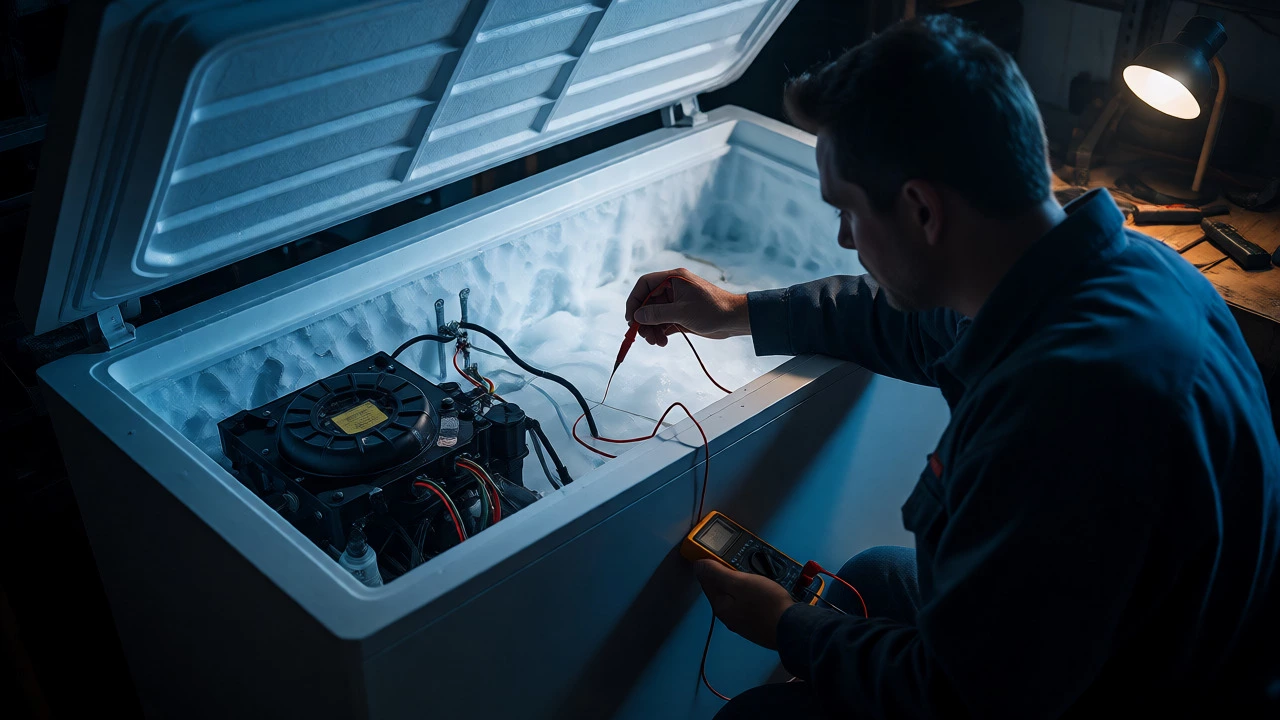
To test these, you’ll need a multimeter. With the freezer unplugged, access the components (usually behind the rear interior panel). Check each part for continuity. If a component shows no continuity (infinite resistance), it’s dead and must be replaced. Replacing a defrost thermostat is cheap and easy. A control board is pricier but still doable for handy homeowners.
When to Call a Professional
If you’ve cleaned the coils, checked the seals, tested the fans, and verified the defrost system, but the freezer still won’t cool, you’re likely looking at a sealed system issue. This involves the compressor, start relay, or refrigerant lines.
The compressor is the heart of the system. If it runs constantly but produces no cooling, or if it clicks repeatedly without starting, it may be failing. Refrigerant leaks are also possible. These repairs require specialized tools, EPA certification for handling refrigerants, and significant labor. For most people, replacing the appliance is more cost-effective than fixing a blown compressor, especially if the unit is older than 10 years.
Frequently Asked Questions
Why is my freezer running but not freezing?
If the compressor runs but the freezer stays warm, the issue is usually poor airflow or a defrost failure. Dirty condenser coils prevent heat exchange, while a broken evaporator fan stops cold air circulation. In self-defrost models, ice buildup on the evaporator coils acts as insulation, preventing them from absorbing heat. Start by cleaning coils and checking for fan operation.
How long does it take for a freezer to refreeze after troubleshooting?
Once the root cause is fixed, allow 24 hours for the freezer to reach stable operating temperatures. During this time, keep the door closed as much as possible. Avoid adding large amounts of unfrozen food during the recovery period, as this adds thermal load and slows down the process.
Can I manually defrost my freezer?
Yes, and it’s often recommended even for frost-free models if you suspect ice buildup. Unplug the unit, remove all food, and place towels on the floor to catch water. Leave the door open. You can speed up melting by placing bowls of hot water inside, but never use sharp objects to chip away ice, as you might puncture the coils.
Is it worth repairing an old freezer?
It depends on the repair cost versus the age. If the repair costs less than 50% of a new unit’s price and the freezer is under 10 years old, fix it. If the compressor fails on a 15-year-old unit, replacement is usually smarter. Newer models are significantly more energy-efficient, saving money on electricity bills over time.
What causes ice build-up on the back wall?
Ice on the back wall indicates the defrost system isn't working correctly. Moisture enters the freezer, freezes on the coldest spot (the back panel where coils are located), and never melts due to a faulty heater, thermostat, or timer. This blocks airflow and reduces cooling efficiency.