Washing Machine Repair vs Replace Calculator
Quick Reference: Average Lifespans by Type
| Type | Average Lifespan | Typical New Price Range |
|---|---|---|
| Top-Load (Agitator) | 11–13 Years | $400–$700 |
| Top-Load (Impeller/HE) | 9–12 Years | $500–$900 |
| Front-Load (Standard) | 12–15 Years | $600–$1,000 |
| Front-Load (Premium) | 15–20+ Years | $800–$1,500+ |
Most people treat their washing machine like a permanent fixture in the laundry room. You buy it, you plug it in, and you expect it to run forever. But appliances have a shelf life. The big question isn't just whether your machine will break, but when it stops making financial sense to keep fixing it.
If you are standing in front of a humming, shaking beast that smells a bit funky, you might be wondering if it’s time for an upgrade or if a quick fix will save it. The short answer is that the average lifespan of a modern washing machine is between 10 and 15 years. However, that number swings wildly depending on whether you own a cheap top-loader or a high-end European front-loader. Knowing exactly where your specific model fits helps you decide whether to call a technician or walk into an appliance store.
The Reality of Washing Machine Lifespans
When manufacturers talk about durability, they usually cite lab tests that don't match real life. In a lab, a machine runs one cycle every few days with perfect water pressure and balanced loads. In your home, it might run twice a day, handle heavy winter coats, and deal with hard water minerals that clog sensors. This gap between theory and reality is why actual lifespans vary so much.
According to data from major consumer protection agencies and repair networks, the median age of failure for a washing machine is roughly 11 years. That means half of all machines fail before hitting that mark, and half survive past it. If your machine is eight years old, you are approaching the danger zone. If it is 14 years old, you are living on borrowed time. Understanding this baseline helps set realistic expectations. You aren't getting a bad lemon; you are just hitting the statistical norm for mechanical wear and tear.
| Type | Average Lifespan | Key Failure Points |
|---|---|---|
| Top-Load (Agitator) | 11-13 Years | Drive belt, lid switch, agitator dogs |
| Top-Load (Impeller/High-Efficiency) | 9-12 Years | Pump filter, electronic control board, suspension rods |
| Front-Load (Standard) | 12-15 Years | Rubber door seal, drain pump, bearings |
| Front-Load (Premium/European) | 15-20+ Years | Motor carbon brushes, heating element, complex electronics |
Why Front-Loaders Outlast Top-Loaders
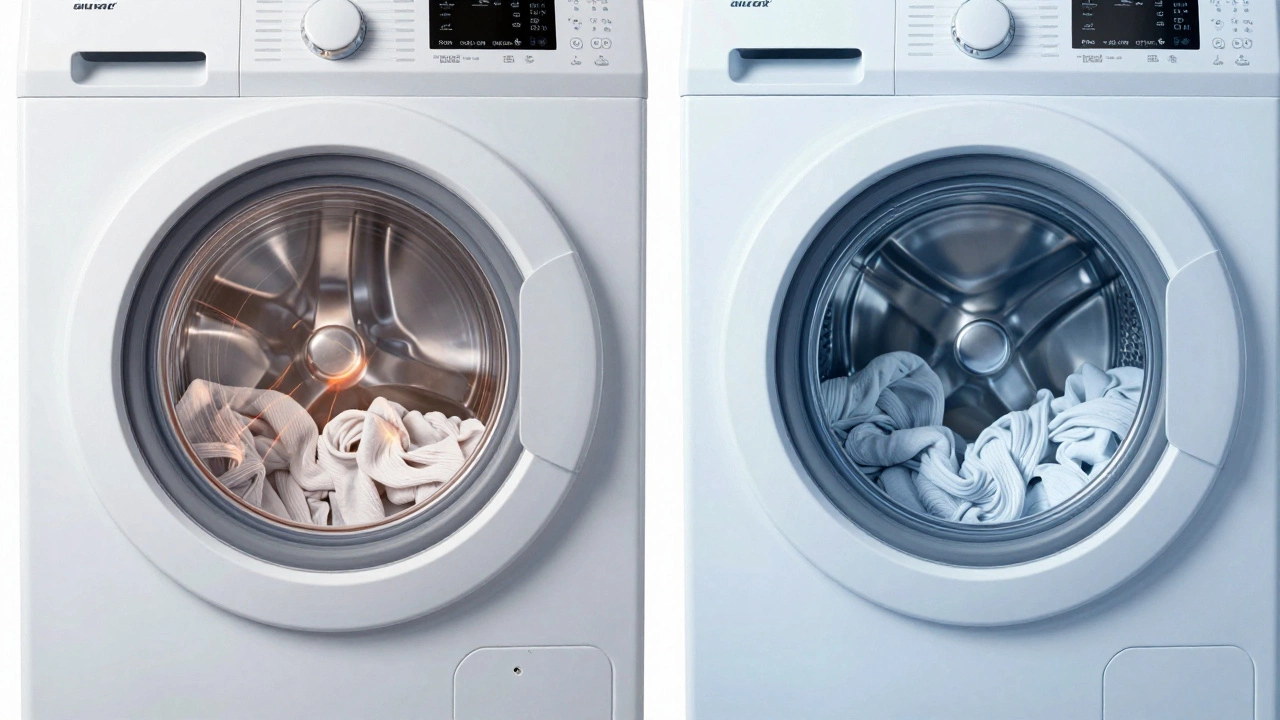
You might notice that front-loading machines generally live longer than their top-loading counterparts. This isn't just marketing hype; it comes down to physics and design. A front-loader tumbles clothes using gravity, which is gentler on the drum and the internal mechanics. A traditional top-loader with an agitator relies on a central post that physically pushes clothes around, creating more friction and stress on the drive system.
Direct Drive Motors, commonly found in premium front-loaders, connect the motor directly to the drum without belts or pulleys. Fewer moving parts mean fewer things to break. In contrast, many budget top-loaders use indirect drive systems with belts that stretch, snap, or slip over time. If you want longevity, the direct drive mechanism is a significant advantage. It reduces vibration and wear, allowing the machine to handle heavier loads for more years without catastrophic failure.
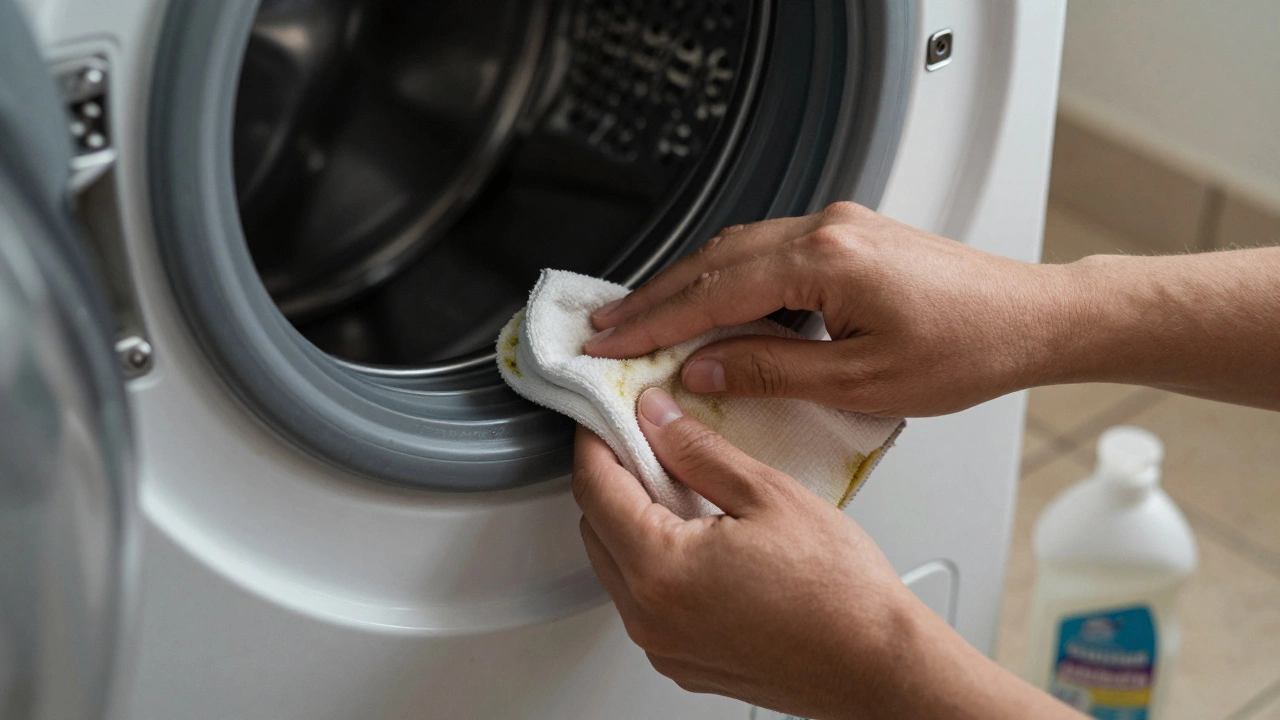
However, front-loaders come with their own quirks. The rubber door gasket is a weak point. It traps moisture and lint, leading to mold and mildew if not cleaned regularly. While this doesn't kill the machine immediately, it degrades the seal over time, potentially causing leaks that damage the floor or the machine's base. Top-loaders avoid this issue entirely because they lack a large rubber seal, but they often suffer from failing lid switches and worn-out transmission gears earlier in their life.
Brand Reputation and Build Quality
Not all brands are created equal when it comes to longevity. Some manufacturers prioritize sleek designs and smart features over durable components. Others stick to proven mechanical designs that can be repaired easily. For example, European brands like Bosch and Miele have historically built machines with metal components where American brands might use plastic. Metal lasts longer than plastic, especially under the constant heat and stress of a wash cycle.
In New Zealand and Australia, brands like Samsung and LG dominate the market. They offer great features and energy efficiency, but their repairability scores are mixed. When a Samsung washer fails after five years, it’s often due to a complex electronic control board rather than a simple mechanical part. Replacing a board can cost $300-$500, which eats into the value of the machine quickly. On the other hand, older Whirlpool or Maytag models might look dated, but their transmissions are robust and widely available. If you plan to keep a machine for 15 years, choosing a brand with a strong service network and available spare parts is crucial.
The Role of Maintenance in Extending Life
You can double the life of a mediocre machine or halve the life of a premium one based purely on how you treat it. Most premature failures are not caused by manufacturing defects but by user error. Overloading the drum is the number one killer of washing machines. When you stuff too many clothes in, the drum becomes unbalanced. This puts immense strain on the suspension springs and shock absorbers. Eventually, these components fail, causing the machine to walk across the floor or crash during the spin cycle.
Another silent killer is detergent residue. Modern high-efficiency (HE) machines use very little water. If you use regular detergent instead of HE detergent, or if you use too much of any kind, suds build up inside the hoses and pumps. This residue acts like glue, trapping dirt and bacteria. Over time, it corrodes metal parts and clogs filters. Cleaning the drain pump filter once a month and running an empty hot cycle with vinegar or a specialized cleaner once a month can prevent this buildup. It takes ten minutes and can add two or three years to the machine's operational life.
Water quality also plays a massive role. If you live in an area with hard water, mineral deposits accumulate on the heating elements and inside the tub. These deposits reduce heating efficiency and cause blockages. Installing a water softener or using descaling agents regularly is essential for residents in hard water zones. Ignoring this leads to frequent heating failures and poor cleaning performance long before the motor dies.
Repair vs. Replace: Making the Economic Choice
So, your machine breaks. Do you fix it or buy a new one? There is a simple rule of thumb used by most appliance technicians: the 50% rule. If the cost of the repair is more than 50% of the price of a comparable new machine, and the machine is more than half its expected lifespan, you should replace it. Buying a new machine gives you a warranty, better energy efficiency, and peace of mind. Fixing an old machine is often throwing good money after bad.
Consider the scenario where your 12-year-old front-loader starts making a grinding noise. This usually indicates worn-out bearings. Replacing bearings requires disassembling the entire drum, which is labor-intensive. The repair might cost $600. A new mid-range front-loader costs around $800-$1000. Spending $600 to extend the life of an old machine by another year or two rarely makes sense. However, if the issue is a faulty door lock or a broken lid switch, the repair might only cost $100-$150. In that case, fixing it is a no-brainer.
Also, consider the availability of parts. Manufacturers stop producing parts for older models after 10-12 years. If your machine is 14 years old, finding a replacement control board might be impossible. You might be forced to replace the unit even if the motor is still fine. Always check with local repair shops about part availability before committing to a major repair on an aging appliance.
Signs Your Washing Machine Is Dying
Sometimes, the end is obvious. Other times, it creeps up on you. Pay attention to these warning signs:
- Excessive Vibration: If the machine shakes violently during the spin cycle, the suspension system is failing. This can damage the outer tub if ignored.
- Leaking Water: Small leaks from the bottom often indicate a cracked pump housing or a degraded hose. Major leaks from the door seal suggest the gasket needs replacement.
- Foul Odors: A persistent mildew smell that doesn't go away with cleaning cycles suggests deep-seated mold in the drum or hoses. This can ruin clothes and indicate internal corrosion.
- Error Codes: Frequent error codes related to drainage or spinning point to sensor failures or motor issues. If the same code appears repeatedly, the underlying component is likely dead.
- Noise Changes: A high-pitched squeal or grinding noise usually means bearings or the drive belt are wearing out. These are critical components that won't fix themselves.
If you notice two or more of these symptoms simultaneously, it’s time to start shopping. Trying to patch up a machine with multiple failing systems is expensive and frustrating. It’s better to proactively replace it before it floods your laundry room or ruins a load of delicate fabrics.
Maximizing Value Before Replacement
If you decide to replace your machine, make sure you get the most out of the old one. Don’t just toss it in the bin. Many local councils in Auckland and other cities offer free appliance recycling programs. These services ensure that hazardous materials like oils and plastics are disposed of safely. Additionally, some retailers offer trade-in discounts when you buy a new machine. Even if they don’t, selling the working parts on second-hand platforms can offset the cost of the new unit. People looking for cheap repairs often buy old motors, drums, or control boards for DIY fixes.
When buying your next machine, think long-term. Look for models with accessible filters, standard voltage requirements, and positive reviews regarding repairability. Avoid overly complex smart features unless you truly need them, as they add points of failure. A simple, robust machine that does one job well will serve you better than a Wi-Fi-enabled gadget that breaks down after five years. Your laundry routine deserves reliability, not complexity.
What is the longest a washing machine has ever lasted?
While rare, some industrial-grade or high-end European front-loaders have been known to last 20 to 30 years with meticulous maintenance. However, for typical household units, exceeding 15 years is considered exceptional. Most machines begin to show significant wear and efficiency drops after the 10-year mark.
Does using cold water extend the life of a washing machine?
Yes, washing in cold water can extend the life of certain components, particularly the heating element and rubber seals. Hot water accelerates the degradation of rubber and plastic parts. Additionally, cold water reduces the energy load on the machine, though it may require more detergent to clean effectively.
Is it worth repairing a 10-year-old washing machine?
It depends on the cost of the repair. If the repair is minor, such as replacing a door latch or a belt, it is usually worth it. However, if the issue involves the motor, transmission, or control board, and the cost exceeds $300, it is often better to replace the machine, especially if it is already at the end of its average lifespan.
Why do front-load washing machines smell?
Front-loaders are prone to mold and mildew because the rubber door seal traps moisture and lint. To prevent odors, leave the door slightly ajar after each use to allow air circulation, clean the seal regularly, and run a monthly hot cycle with vinegar or a machine cleaner.
How often should I clean the washing machine filter?
You should clean the drain pump filter at least once a month. Lint, coins, and small objects can clog the filter, causing drainage issues and straining the pump. Regular cleaning prevents backups and extends the life of the pump motor.