Appliance Repair Cost Calculator
Whether to Repair or Replace?
Based on New Zealand guidelines, calculate if repairing your appliance makes financial sense.
Ever wonder what happens when your fridge stops cooling or your washing machine starts screaming in the middle of the night? Someone has to step in-someone who knows how to diagnose a faulty thermostat, replace a broken drum bearing, or rewire a control board without frying the whole system. That’s the job of an appliance technician.
They Fix What You Rely On Every Day
An appliance technician doesn’t just fix broken machines. They keep your home running. Think about it: you use your fridge 24/7. Your washing machine handles laundry twice a week. Your oven heats meals, your dishwasher cleans dishes, and your water heater gives you hot showers. When any of these fail, life gets messy fast. Appliance technicians are the ones who bring order back.It’s not just about swapping parts. They start by listening. A customer says, ‘It’s not spinning.’ The technician knows that could mean a broken belt, a worn clutch, a faulty motor, or even a clogged drain pump. They ask follow-up questions: ‘Does it make noise before it stops?’ ‘Is the water draining?’ That’s how they narrow it down.
Training and Skills You Might Not Expect
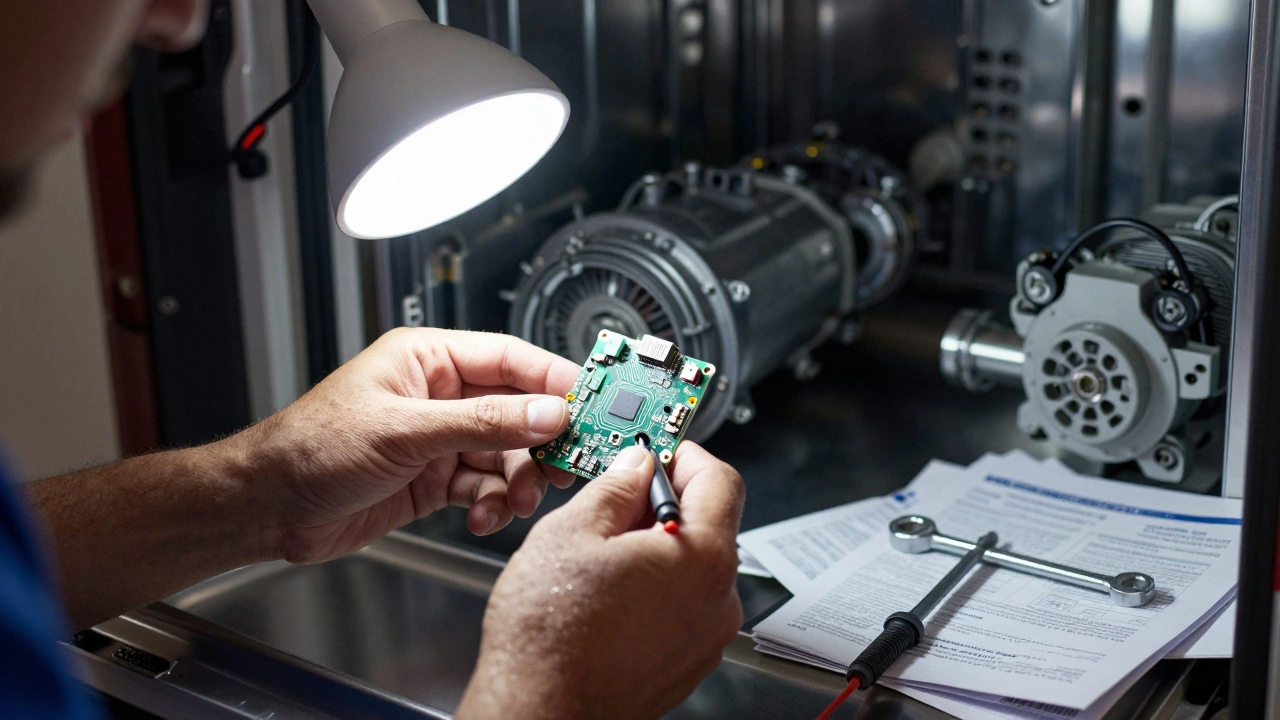
Most appliance technicians aren’t just handed a tool kit and told to figure it out. Many start with formal training-certificates from polytechnics or apprenticeships with experienced techs. In New Zealand, programs like those offered by Te Pūkenga cover electrical safety, refrigerant handling, and diagnostic software use.They need to understand both electronics and mechanics. Modern fridges have touchscreens and Wi-Fi connectivity. Dishwashers run on complex logic boards. But they also work with belts, gears, and valves. One day they’re using a multimeter to test a thermostat. The next, they’re replacing a door seal or unclogging a drain line with a plumber’s snake.
They also learn how to read service manuals. Every brand-Samsung, LG, Whirlpool, Bosch-has its own codes, wiring diagrams, and error signals. A technician might see ‘E1’ on a washing machine display and instantly know it’s a water inlet fault, not a motor issue. That kind of speed comes from experience, not guesswork.
They Work in Your Home, Not a Shop
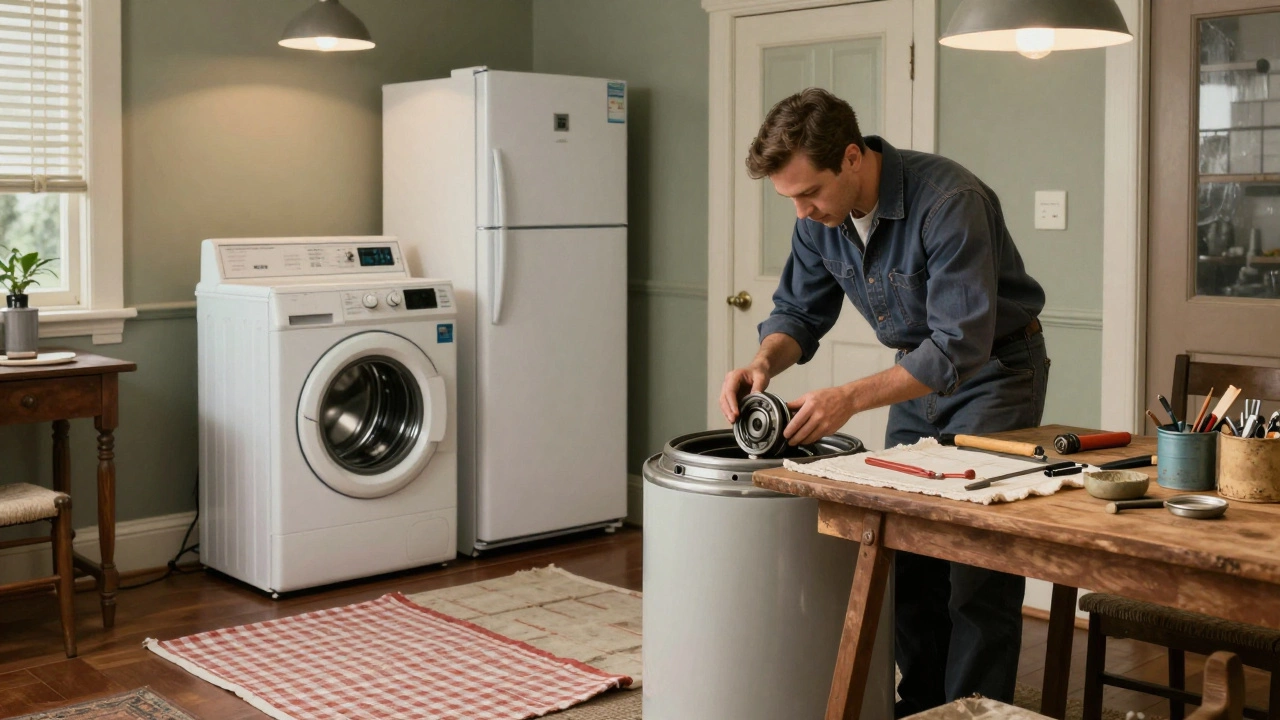
Unlike car mechanics who work in garages, appliance technicians go to you. They show up in vans loaded with parts: door hinges, control panels, compressor kits, drain pumps. They carry tool belts with screwdrivers, torque wrenches, vacuum pumps, and refrigerant gauges. They know which parts are common failures-and which ones aren’t worth stocking.They’re trained to respect your space. They lay down drop cloths. They clean up after themselves. They don’t leave grease on your kitchen counter or water pooling on your floor. In Auckland, where homes range from 1950s bungalows to modern townhouses, they adapt. Older homes often have outdated wiring or non-standard plumbing. Newer ones have smart appliances that need software updates. A good technician handles both.
They’re Problem Solvers, Not Just Fixers
Sometimes, fixing the appliance isn’t the best solution. A technician might tell you your 15-year-old fridge is using twice the electricity of a new model. Or that your washing machine’s drum is rusted through-replacing it costs 80% of a new unit. That’s when they give honest advice: ‘It’s time to replace it.’They don’t push sales. They explain options. ‘You can spend $600 to fix this, or $1,200 for a new one with a five-year warranty and energy rating of A+++.’ That kind of transparency builds trust. People remember the tech who told them the truth-even if it meant losing a repair job.
What They Don’t Do
There are limits. They don’t install new plumbing lines or rewire your whole house. That’s an electrician’s or plumber’s job. They also don’t repair gas ovens unless they’re licensed for gas work. In New Zealand, only certified gasfitters can touch gas lines-even if the problem is just a faulty igniter.They won’t fix appliances that are unsafe. A fridge leaking refrigerant? A washing machine with exposed live wires? They’ll shut it down and refuse to turn it back on until it’s safe. That’s not just policy-it’s law. The Health and Safety at Work Act requires them to prioritize safety over speed.
Why This Job Matters More Than You Think
Appliance technicians play a quiet but vital role in reducing waste. Every repaired fridge or dishwasher means one less item in a landfill. In 2024, New Zealand sent over 120,000 appliances to landfills. Many of those could’ve been fixed. Technicians help extend the life of appliances, cutting down on emissions from manufacturing and transport.They also save people money. A new washing machine costs $1,000-$1,800. A repair? Often $150-$350. For retirees on fixed incomes, or families juggling bills, that difference matters. A technician who can fix a broken dishwasher means a parent doesn’t have to hand-wash dishes every night.
What to Look for When You Need One
Not all appliance technicians are the same. Here’s what to check:- License or certification-especially for gas or refrigerant work
- Experience with your brand-not all techs know Samsung inside out
- Clear pricing-do they charge a call-out fee? Is the diagnostic free?
- Warranty on parts and labor-a good tech stands by their work
- Reviews from real customers-look for mentions of honesty and cleanliness
Avoid anyone who shows up without a van, doesn’t carry parts, or quotes a price before even looking at the machine. That’s a red flag.
It’s Not Just a Job-It’s a Skill
Being an appliance technician isn’t glamorous. No one throws parades for the person who fixed the oven before Christmas. But without them, homes fall apart. They’re the quiet experts who make modern life possible-one repaired appliance at a time.Next time your fridge stops working, don’t just call the first number you find. Look for someone who knows their stuff. Because when it comes to your home, you want someone who doesn’t just fix the problem-but understands it.
What qualifications does an appliance technician need?
In New Zealand, appliance technicians often complete a Level 3 or 4 qualification in appliance servicing through Te Pūkenga or a private training provider. For gas appliances, they must hold a current gasfitter license from the Gas Safe Register. Refrigerant handling requires a Certificate of Competence under the Ozone Layer Protection Act. Many also complete manufacturer-specific training for brands like LG, Bosch, or Fisher & Paykel.
Can an appliance technician fix any brand?
Most technicians are trained on multiple brands, but not all are equally experienced with every model. High-end or newer smart appliances-like Wi-Fi-enabled fridges or induction hobs-require specific diagnostic tools and software access. It’s best to ask if they’ve worked on your exact brand and model before. Some techs specialize in certain brands, especially if they’re authorized service agents.
How long does a typical repair take?
Simple repairs-like replacing a door seal or cleaning a drain pump-can take 30 to 60 minutes. More complex jobs, such as replacing a compressor in a fridge or repairing a control board in a washing machine, may take 1.5 to 3 hours. If the technician doesn’t have the right part on hand, they’ll order it and return within 1-2 days. Most reputable techs give you a time window for their visit and call ahead if they’re running late.
Is it worth repairing an old appliance?
It depends. If the appliance is under 8 years old and the repair cost is less than half the price of a new one, it’s usually worth fixing. For older units, especially those over 12 years, energy inefficiency and frequent breakdowns make replacement smarter. A good technician will tell you if the repair is just delaying the inevitable. Look at energy ratings too-newer models can save $100-$200 a year on electricity.
Do appliance technicians work on weekends or after hours?
Many do, especially for emergencies like a fridge failing in summer or a water heater breaking in winter. Most companies charge a higher call-out fee for after-hours or weekend service-typically 20% to 50% more. If you’re not in a rush, scheduling during business hours saves money. But if you’re without hot water on a cold night, it’s worth the extra cost.