Top Reliable Electric Oven Brands for Dependable Baking
January 11 2025Fix or Replace Washing Machine: When to Repair vs. Buy New
When your washing machine, a household appliance designed to clean clothes using water and detergent. Also known as a laundry machine, it stops working, you’re faced with a simple but costly choice: fix it or replace it. Most people assume a broken machine means a new one is needed—but that’s not always true. Many washing machines can be repaired for less than half the cost of a new unit, especially if the issue is with a common part like the pump, door lock, or motor belt.
What makes this decision tricky is knowing which problems are fixable and which are signs of deeper failure. A washing machine pump, a small motor-driven component that moves water in and out of the drum clogging up? Easy fix. The control board, the electronic brain that manages cycles, water levels, and spin speeds fried after a power surge? That’s often a sign the machine is nearing the end of its life. Most washing machines last 10 to 12 years. If yours is older than that and you’re spending more than $300 on repairs, replacing it usually makes more sense. You’ll save on energy bills too—newer models use up to 40% less water and electricity.
It’s not just about age or price. Think about how often you use it. A family of four doing five loads a week puts way more strain on a machine than a single person doing one load. If you’ve had the same washer for 12 years and it’s started leaking, making loud noises, or not spinning properly, those aren’t just annoyances—they’re red flags. Replacing a worn-out drum bearing or fixing a broken drum shaft can cost $200-$400, but those repairs rarely last more than a year or two. On the other hand, a simple fix like replacing a door seal or resetting a tripped thermal fuse might cost under $50 and get you another few years.
Don’t ignore the small stuff. If your machine won’t drain, it’s often just a clogged filter or pump. If it won’t start, check the power cord and door latch. These are quick DIY fixes you can do in under an hour. But if the machine fills with water and then just sits there, or if it’s filling with water but not spinning, those are signs of motor or transmission failure—expensive repairs that rarely pay off.
There’s also the safety angle. Older machines sometimes lack modern safety features like child locks, leak sensors, or balanced spin systems. A broken door lock might seem minor, but it can lead to flooding if the machine starts spinning while the door is open. If you’re constantly patching up your washer, you’re not just spending money—you’re risking damage to your floor, your laundry, and even your peace of mind.
Below, you’ll find real-world guides on diagnosing common washing machine problems, what repairs actually work, and when it’s smarter to walk away and buy new. No fluff. Just clear advice based on what actually happens in homes across Bedford and beyond.
 16 Nov
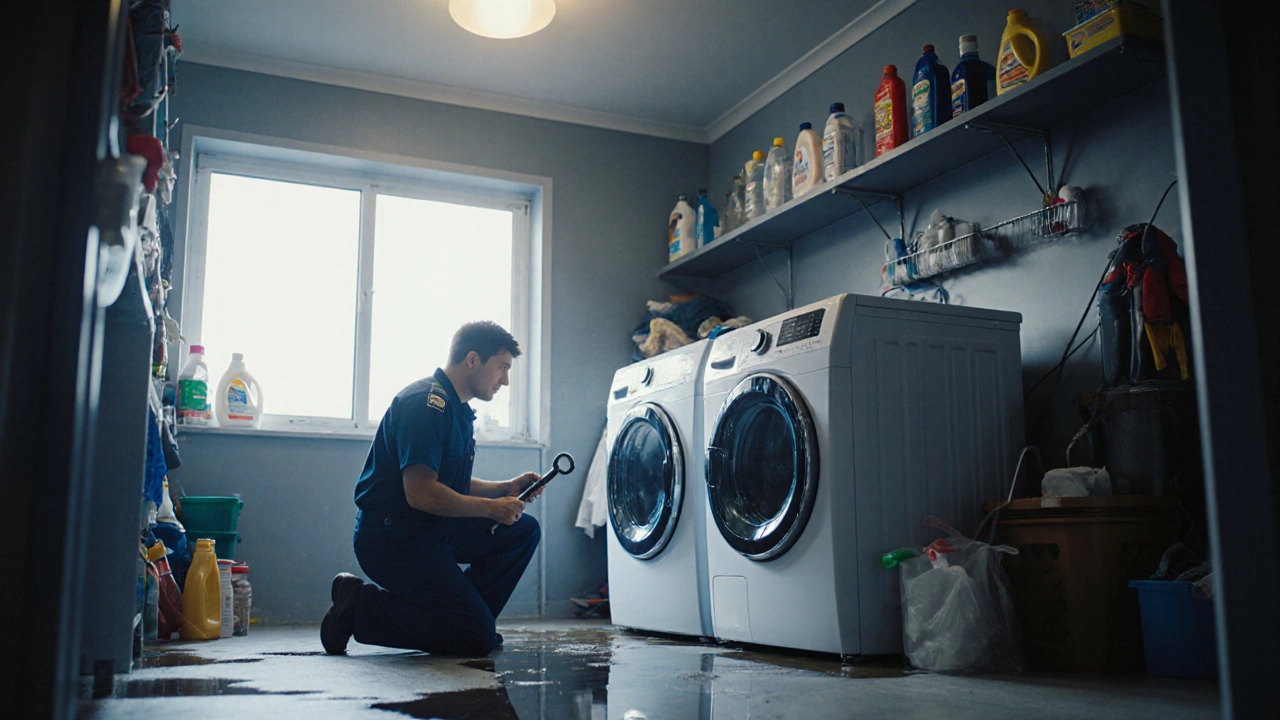
Is It Worth Repairing a Washing Machine? Real Costs vs. Replacements in 2025
Should you repair or replace your washing machine in 2025? We break down real costs, energy savings, repair red flags, and what to buy instead-based on New Zealand prices and real repair data.
Read More...POPULAR POSTS