Water Heater Reset Safety Checker
Is it safe to reset your water heater?
Use this tool to determine if resetting your water heater is safe based on current conditions. Answer the questions below to get a clear safety assessment.
Every now and then, your water heater stops working. No hot showers. No clean dishes. Just cold water-and frustration. You might hear someone say, "Just reset it," like it’s a computer. But is it really safe to reset a water heater? The answer isn’t simple. Sometimes, yes. Other times, it could be dangerous-or just a waste of time.
What Does "Resetting" a Water Heater Actually Mean?
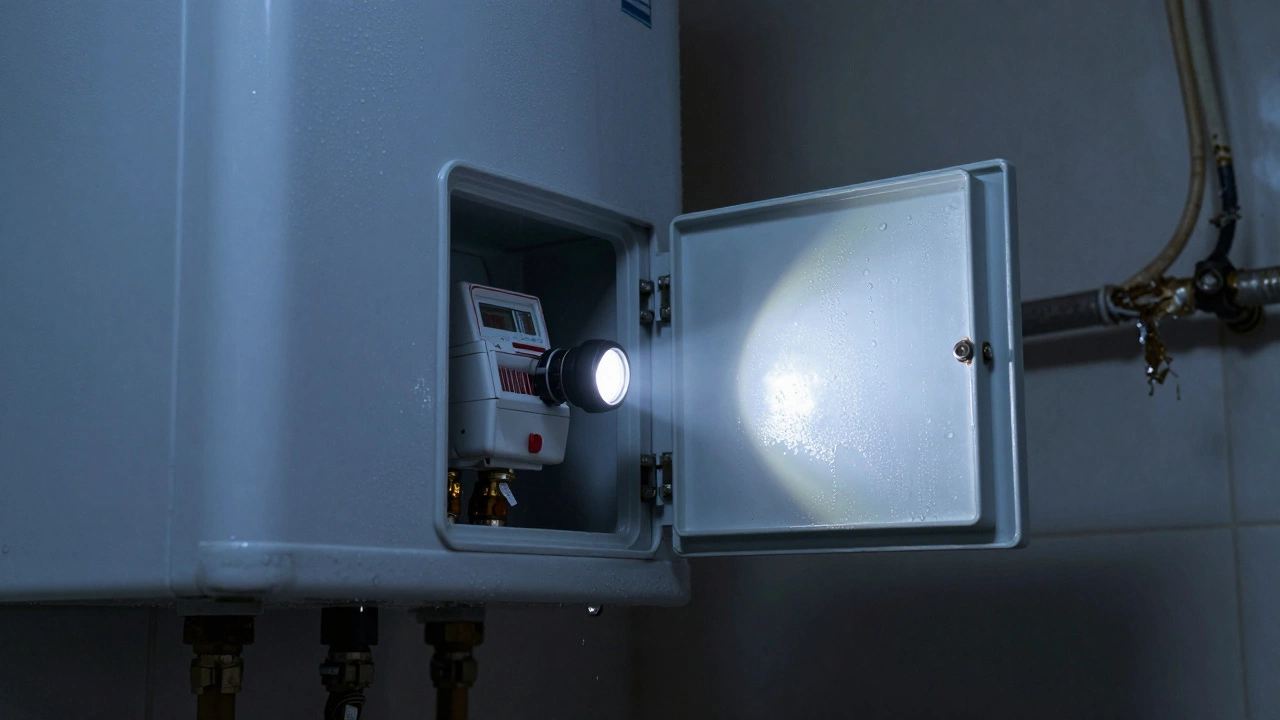
Resetting a water heater usually means pressing a red button on the thermostat, often labeled "ECO" or "Reset." This button trips when the water gets too hot-usually because of a malfunctioning thermostat or a heating element stuck on. It’s a safety feature, not a fix. Pressing it doesn’t repair anything. It just restores power after a shutdown.
Think of it like a circuit breaker in your home. If the breaker trips because you overloaded the circuit, flipping it back on won’t stop you from overloading it again. Same with your water heater. If the reset button pops, something’s wrong. Ignoring it is like ignoring a smoke alarm that keeps beeping.
When Is It Safe to Reset Your Water Heater?
It’s safe to reset your water heater only if:
- The reset button popped once, and you’ve ruled out obvious causes like a power surge or a sudden spike in usage.
- You’ve waited at least 30 minutes after the trip to let the system cool down.
- You don’t smell burning plastic, hear hissing, or see water leaking around the tank.
- The water heater is electric, not gas. Gas units don’t have reset buttons-you’ll need to relight the pilot or call a pro.
If all of those conditions are met, go ahead and press the button. You might get hot water back. But if it trips again within a few hours? Stop. Don’t keep trying. That’s not a reset issue-it’s a failure.
When Resetting Is Dangerous
Resetting a water heater can be risky if you don’t know what you’re dealing with. Here’s when you should never press that button:
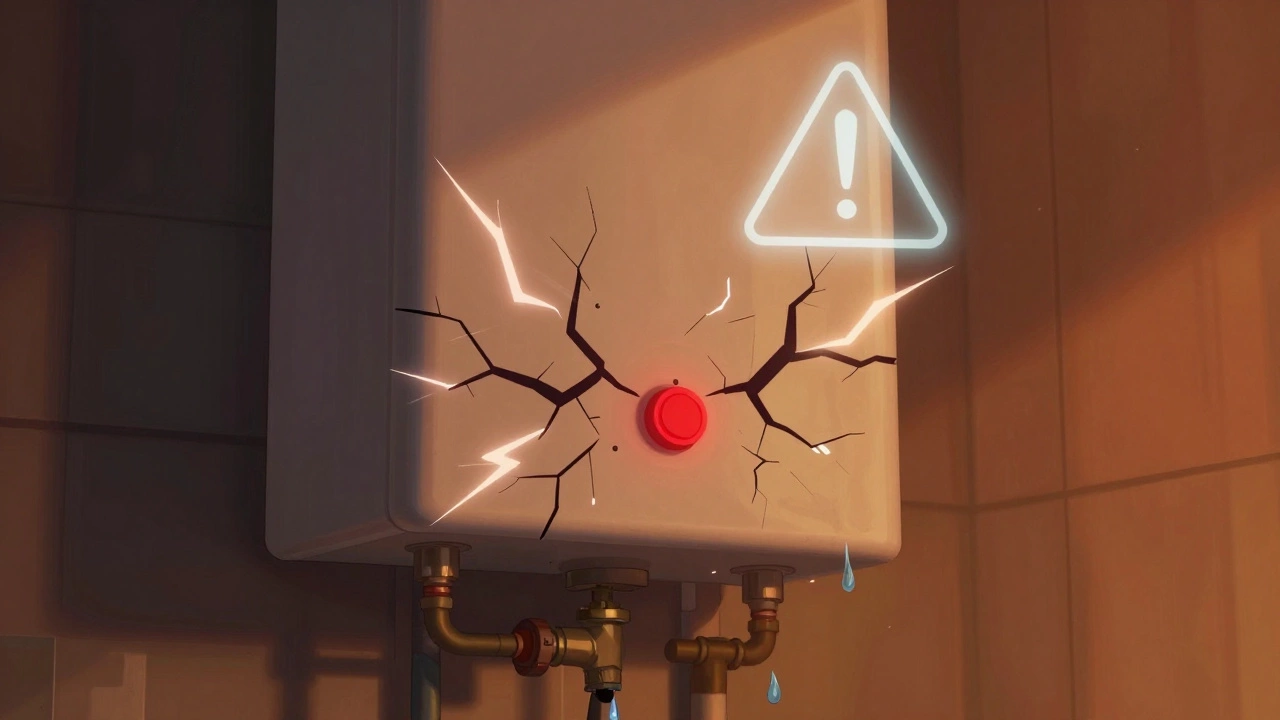
- There’s water on the floor. A leak means internal corrosion, a cracked tank, or a failed pressure valve. Resetting won’t fix the leak-and electricity + water = serious risk.
- You smell gas. If you have a gas water heater and smell gas, leave the house immediately. Call your gas company. Do not touch any switches.
- The reset button is hot to the touch. That means something’s overheating internally. You’re not resetting-it’s frying.
- You’ve reset it more than once. If the button pops twice, it’s not a fluke. It’s a sign of a faulty thermostat, a bad heating element, or a wiring issue. Repeated resets can damage the unit or start a fire.
In Auckland, where older homes are common, water heaters often run past their 10-15 year lifespan. If yours is over 12 years old and keeps tripping, replacement is safer than repair.
How to Reset a Water Heater (Step-by-Step)
If you’ve confirmed it’s safe to proceed, here’s how to reset an electric water heater:
- Turn off the power at the circuit breaker. Safety first.
- Locate the access panel on the side of the tank. It’s usually near the top. Remove the cover with a screwdriver.
- Look for the red reset button. It’s small, often recessed, and might be behind an insulation flap.
- Press the button firmly until you hear a click. Don’t force it.
- Replace the cover and insulation.
- Turn the power back on at the breaker.
- Wait 1-2 hours for the water to heat up. Check the temperature at a faucet.
For gas water heaters, there’s no reset button. If the pilot light went out, follow the manufacturer’s instructions to relight it-or call a technician. Gas systems are not DIY-friendly.
Why Resetting Doesn’t Solve the Real Problem
Most people reset the water heater hoping to avoid a repair bill. But here’s the truth: if the reset button trips, it’s because the system detected a fault. That fault is still there.
The most common causes:
- Thermostat failure: A stuck thermostat keeps heating past 180°F, triggering the safety cut-off.
- Shorted heating element: One element is drawing too much current, overheating the tank.
- Loose or corroded wiring: Common in older units, especially in humid climates like Auckland’s.
- High water pressure: Over 80 psi can cause the temperature-pressure relief valve to leak, which sometimes triggers overheating.
Resetting ignores all of these. It’s like hitting the "mute" button on a smoke alarm instead of checking for fire.
When to Call a Professional
You don’t need to be an electrician to know when to call one. Here’s when to stop trying and get help:
- The reset button trips more than once.
- You see rust, water stains, or pooling under the tank.
- The water is discolored (brown or rusty) or smells like rotten eggs.
- Your energy bills have spiked without reason.
- The unit is over 10 years old.
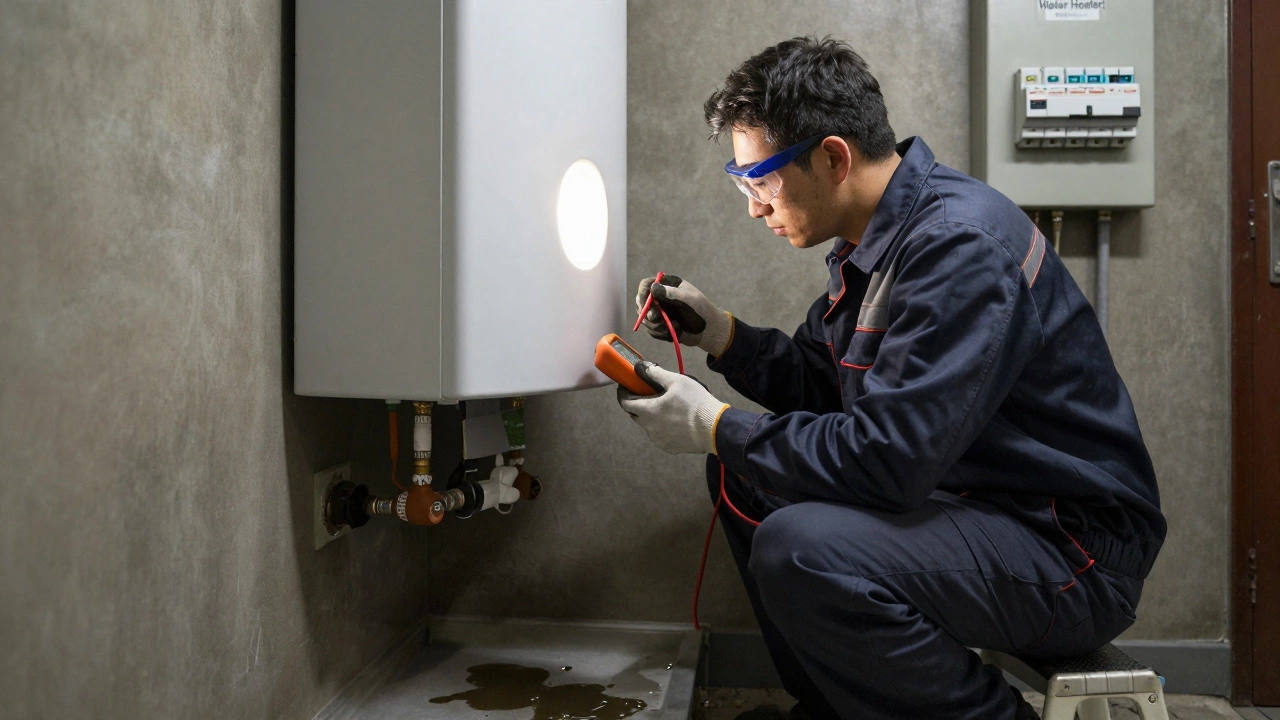
Water heater failures can lead to flooding, electrical fires, or scalding. In New Zealand, the Electrical Workers Registration Board (EWRB) requires licensed electricians to handle repairs on electric water heaters. DIY fixes on live circuits aren’t just risky-they’re illegal.
What to Do Instead of Resetting
Instead of guessing, take these steps:
- Check the temperature setting. It should be at 50°C (122°F)-hot enough to kill bacteria, but not so hot it’s dangerous.
- Flush the tank annually to remove sediment. Buildup can cause overheating and reduce efficiency.
- Install a pressure-reducing valve if your water pressure exceeds 70 psi.
- Replace the anode rod every 3-5 years. It prevents tank corrosion.
- Consider upgrading to a heat pump water heater if you’re replacing it. They’re 3x more efficient than standard electric models.
These aren’t quick fixes. But they prevent problems before they start.
Final Advice: Reset Once. Then Act.
Resetting a water heater isn’t inherently dangerous-but treating it like a magic button is. It’s a warning light, not a solution. If it trips, treat it like a check engine light in your car. Don’t just turn it off. Find out why it came on.
If you’re unsure, call a licensed plumber or electrician. A $150 inspection can save you $3,000 in water damage or a house fire. And in a place like Auckland, where homes are aging and storms are getting stronger, preventing a water heater failure isn’t just smart-it’s essential.
Can I reset my water heater if it’s leaking?
No. If your water heater is leaking, do not reset it. Water and electricity together create a serious shock hazard. Turn off the power and water supply immediately, and call a professional. Leaks usually mean the tank is corroded or the pressure valve has failed-both require replacement, not resetting.
Why does my water heater reset button keep popping?
If the reset button keeps popping, it’s because the water is overheating. This is usually caused by a faulty thermostat, a shorted heating element, or wiring problems. Repeated resets won’t fix it-they can make things worse. You need a technician to diagnose and replace the faulty part.
Is it safe to reset a gas water heater?
Gas water heaters don’t have reset buttons. If your gas heater stops working, the pilot light may have gone out. You can relight it following the manufacturer’s instructions-but only if you smell no gas. If you smell gas at any point, leave the house and call your gas provider immediately. Never attempt to reset or relight a gas heater if you suspect a leak.
How often should I replace my water heater?
Most electric and gas water heaters last 10 to 15 years. If yours is over 12 years old and you’re having frequent issues-like resetting, strange noises, or rusty water-it’s time to replace it. Older units are less efficient, more prone to failure, and can cause flooding. Replacing it before it breaks is cheaper and safer.
Can I reset my water heater after a power outage?
Sometimes, yes. After a power outage, the thermostat may have lost its setting or the reset button may have tripped due to a power surge. First, check if the circuit breaker is on. Then, if the reset button has popped, you can press it once after waiting 30 minutes. If the water doesn’t heat up after two hours, or the button trips again, there’s likely a deeper issue.
What to Do Next
If you’ve reset your water heater and it’s working again, don’t celebrate just yet. Write down the date. Monitor it for the next week. If it stays stable, great. If it trips again, book a service. Don’t wait for it to fail at 2 a.m. when you’re trying to wash clothes.
And if you’re thinking about replacing it, consider a heat pump water heater. They’re becoming the standard in New Zealand homes. They use less electricity, last longer, and often qualify for government rebates. You’ll save money over time-and sleep better knowing your home won’t flood because of an old tank.