Electric Hob Problem Solver
Step 1: What type of hob do you have?
Glass-Ceramic
Smooth flat surface, induction or radiant heat
Hot-Plate / Coil
Raised metal coils or solid cast-iron plates
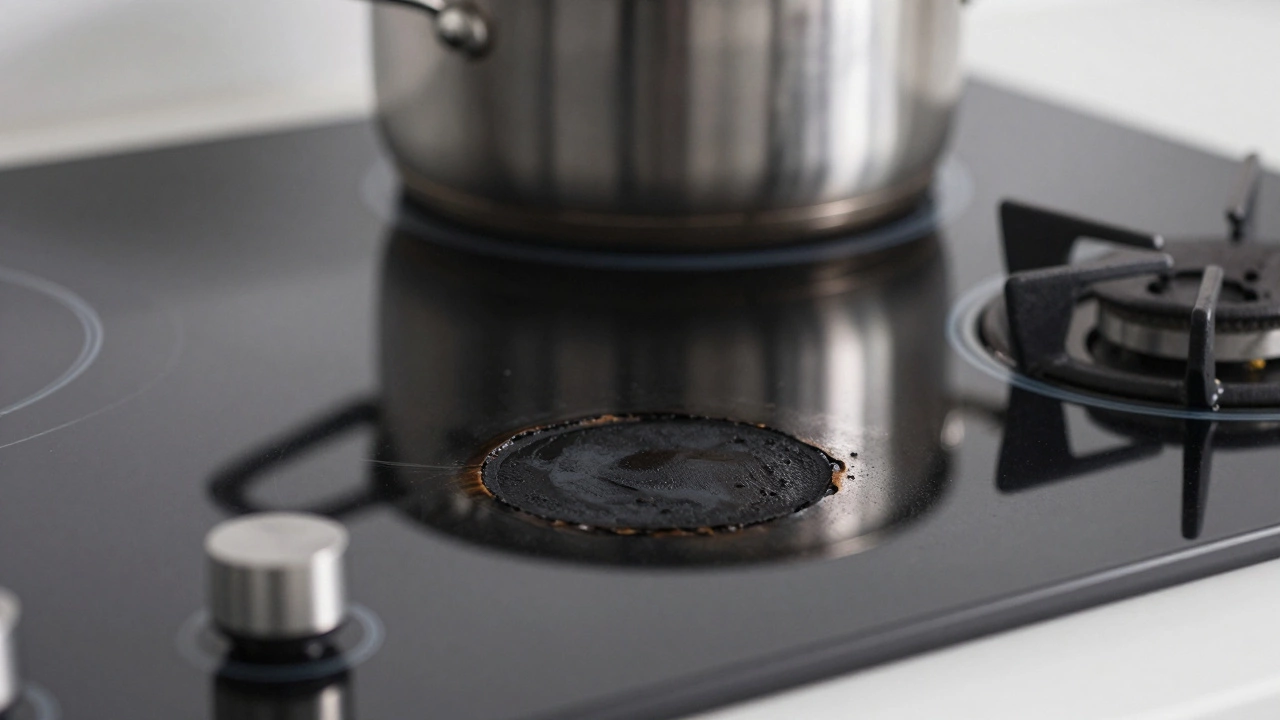
There is nothing quite as discouraging as spending twenty minutes on a perfect sauce only to realize your electric hob has developed a nasty black scorch mark right in the center. It looks bad, it might smell worse, and you’re probably worried it’s ruined for good. Before you call out an expensive technician or buy a new appliance, take a breath. Most of the time, a "burnt" hob isn’t actually broken-it’s just dirty. However, if that heat source isn’t turning on at all, we have a different problem entirely.
In this guide, we’ll walk through exactly how to tackle those stubborn burn marks safely and how to diagnose real electrical faults so you don’t waste money on unnecessary repairs. Whether you are dealing with a smooth glass-ceramic surface or an older hot-plate model, these steps will help you get back to cooking without the stress.
Quick Summary / Key Takeaways
- Don't scrub immediately: If the hob is still warm, wait for it to cool completely before applying any chemicals or abrasives.
- Glass hobs need specific cleaners: Use a dedicated scraper and paste cleaner; steel wool will permanently scratch the surface.
- Hot-plate hobs can handle more abuse: You can use baking soda pastes and gentle scouring pads on metal coil elements.
- Check the power first: If the element doesn't heat up, check the plug, circuit breaker, and fuses before assuming the heating element is dead.
- Safety is non-negotiable: Always disconnect power at the main switch if you suspect internal wiring issues.
Step 1: Assess the Damage and Ensure Safety
Before you grab any cleaning supplies, you need to determine what kind of damage we are looking at. Is it cosmetic (a black stain) or functional (the zone won’t heat)? This distinction changes everything about how you proceed.
If the hob is currently on, turn it off immediately. If you see smoke or sparks, unplug the unit from the wall socket if it’s portable, or flip the circuit breaker in your consumer unit/fuse box if it’s hardwired. Wait until the surface is completely cool to the touch. Touching a hot glass surface with wet cleaning cloths can cause thermal shock, which cracks the glass-a very expensive mistake.
For glass-ceramic hobs, also known as induction or radiant electric hobs, the surface is essentially thickened glass. It is durable but brittle. For hot-plate hobs with raised metal coils, the surface is usually enamel-coated steel or stainless steel, which is much tougher but can still chip.
Step 2: Removing Burn Marks from Glass-Ceramic Hobs
If your issue is purely visual-that ugly black ring or splatter that won’t wash away-here is the most effective method used by professional cleaners. Regular dish soap rarely cuts through carbonized food residue.
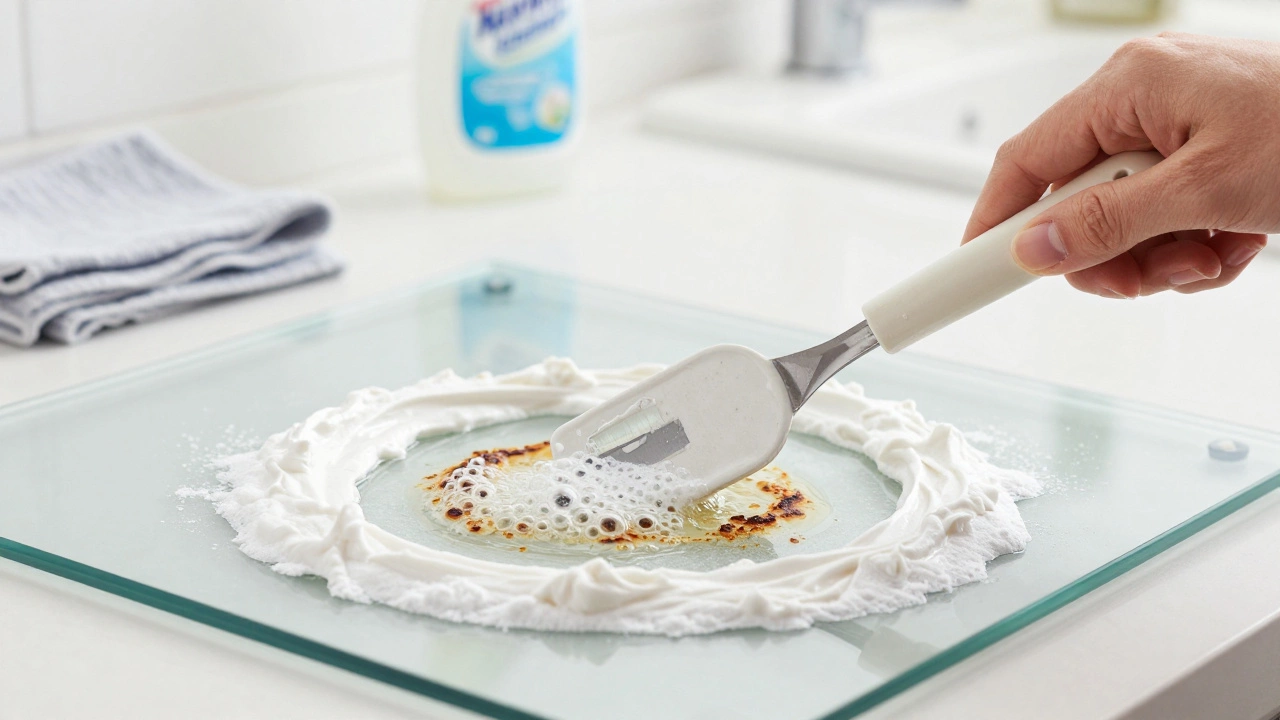
- The Baking Soda Paste Method: Mix three tablespoons of baking soda with one tablespoon of water to create a thick paste. Spread this over the burnt area. Let it sit for at least 15-20 minutes. The alkaline nature of the baking soda helps break down the acidic bonds in the burnt-on grease and sugar.
- Vinegar Boost: Spray white vinegar over the baking soda paste. It will fizz. This reaction helps lift the debris. Wipe away after five minutes.
- The Scraper Tool: This is the secret weapon. Buy a dedicated ceramic hob scraper. These tools have a thin, angled razor blade specifically designed to glide under burnt residue without scratching the glass. Hold the blade at a 45-degree angle and gently scrape. Do not press hard; let the blade do the work.
- Final Polish: Use a microfiber cloth and a dedicated glass hob cleaner to remove any remaining streaks and restore shine.
Warning: Never use steel wool, abrasive scouring pads, or bleach-based cleaners on glass hobs. They leave microscopic scratches that trap dirt, making future cleaning harder and eventually causing the surface to look cloudy and old.
Step 3: Cleaning Burnt Hot-Plate Elements
If you have an older style hob with exposed metal coils or solid cast-iron plates, you have more flexibility. These surfaces are designed to withstand higher friction.
- Remove the Element: If possible, lift the coil or slide the plate out. Check underneath for trapped crumbs or grease buildup, which can cause smoking and burning smells.
- Soak and Scrub: For removable coils, soak them in warm soapy water. For fixed plates, apply a heavy-duty degreaser or a paste of baking soda and hydrogen peroxide. Leave it for 30 minutes.
- Gentle Abrasion: Use a non-scratch green scouring pad (like Scotch-Brite) to gently rub the burnt areas. Avoid steel wool unless the manufacturer explicitly states it is safe for your specific model, as it can embed tiny metal particles into the enamel coating.
Step 4: Diagnosing Electrical Failures
Now, let’s say the "burnt" part isn’t a stain-it’s that the heating element is dead. It doesn’t glow, it doesn’t get hot, and nothing happens when you turn the dial. Before you assume the heating element itself is broken, follow this troubleshooting path.
1. Check the Power Supply
Is the rest of the kitchen working? Check your circuit breaker or fuse box. Sometimes, a surge trips the specific breaker for the kitchen appliances. Reset it and try again. If the hob is plugged in, ensure the plug is firmly seated in the outlet. Try plugging another device into that same outlet to rule out a faulty socket.
2. Inspect the Heating Element
Look closely at the element. On glass hobs, you can’t see the element directly, but you might notice discoloration around the edges. On hot-plate hobs, look for breaks in the coil or melted plastic connectors. If you see visible damage, the element needs replacement. This is often a DIY job if you are comfortable handling basic wiring, but always disconnect power first.
3. Test the Control Board
If the element looks fine but still doesn’t heat, the issue might be the control knob or the electronic touch panel. On digital hobs, error codes often flash on the display. Consult your user manual for these codes. Common issues include locked child safety modes or faulty sensors.
| Symptom | Likely Cause | Difficulty Level |
|---|---|---|
| Black stains/smell | Burnt food/grease residue | Easy (Cleaning) |
| One zone not heating | Faulty heating element or loose connection | Medium (Repair) |
| All zones not heating | Circuit breaker tripped or main power fault | Easy (Reset) |
| Cracked glass surface | Thermal shock or impact damage | Hard (Replacement) |
| Error code flashing | Control board malfunction or sensor issue | Medium-Hard (Professional) |
Step 5: When to Call a Professional
While cleaning is almost always a DIY task, electrical repairs carry risks. You should hire a qualified electrician or appliance repair technician if:
- The glass is cracked: Even a hairline crack compromises the integrity of the hob. Moisture can seep in and cause short circuits. Replacement is usually required.
- You smell burning insulation: This indicates wires inside the unit are overheating. This is a fire hazard.
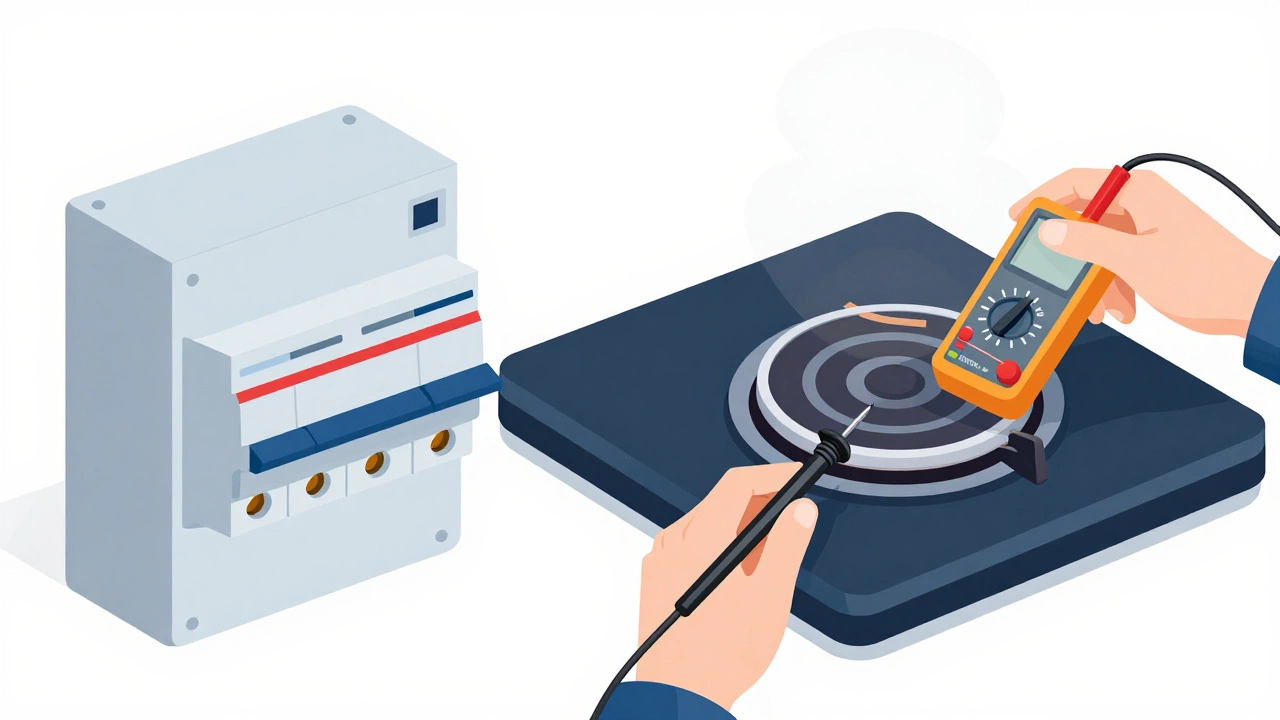
- The problem persists after resetting breakers: Internal wiring issues require specialized testing equipment like multimeters and clamp meters.
- Your warranty is active: Opening the unit yourself may void the manufacturer’s warranty.
In Auckland and other parts of New Zealand, standard labor rates for appliance repair typically range between $80 and $120 per hour, plus parts. Getting a quote before authorizing work is smart practice.
Prevention Tips to Keep Your Hob Looking New
The best way to fix a burnt hob is to prevent it from getting burnt in the first place. Here are a few habits that make a huge difference:
- Clean while warm: After cooking, wipe the surface with a damp cloth while it’s still slightly warm (but not hot). Residue lifts off much easier before it cools and hardens.
- Use trivets: Never place cold pots directly onto a hot glass surface. The temperature differential can crack the glass. Let the pot warm up gradually.
- Avoid sugary spills: Sugar caramelizes instantly and sticks like glue. If you spill jam, syrup, or honey, wipe it up immediately.
- Match pot size to zone: Using a small pan on a large heating zone wastes energy and increases the chance of spillovers running onto the glass.
Frequently Asked Questions
Can I use oven cleaner on my electric hob?
No, you should generally avoid using strong oven cleaners on electric hobs, especially glass-ceramic ones. Oven cleaners contain harsh alkalis that can etch the surface of glass hobs, leaving permanent cloudy spots. Stick to dedicated hob cleaners or mild baking soda solutions.
Why does my electric hob smell like burning plastic?
A burning plastic smell is dangerous. It could mean food has fallen into the internal electronics, or worse, that a wire insulation is melting due to overheating. Turn off the hob immediately, unplug it if safe, and contact a professional technician. Do not ignore this smell.
How much does it cost to replace a burnt heating element?
The cost varies by brand and model. A replacement heating element itself might cost between $50 and $150. Including labor, expect to pay anywhere from $150 to $300 total. Glass hob elements are often more expensive and harder to replace than traditional coil elements.
Will vinegar damage my glass hob?
White vinegar is safe for glass hobs when used correctly. It is excellent for removing limescale and light stains. However, never leave vinegar sitting on the surface for extended periods, and always rinse thoroughly afterward to prevent potential long-term dulling of the finish.
Can I repair a cracked glass hob myself?
No, you cannot repair a cracked glass hob. The structural integrity is compromised, posing a risk of electric shock and further shattering. The entire glass top assembly must be replaced by a professional technician.
What is the best tool to remove stuck-on food from a ceramic hob?
The best tool is a dedicated ceramic hob scraper with a replaceable razor blade. It allows you to mechanically lift burnt residue without scratching the glass. Pair this with a baking soda paste for the most effective results.
Why is only one burner on my electric hob not working?
If only one zone is dead, the issue is likely isolated to that specific heating element or its connection point. Check for loose wires under the element (if accessible) or test the element for continuity with a multimeter. If the element is fine, the control board or switch for that zone may be faulty.
Is it safe to use steel wool on an enamel hot-plate hob?
It is not recommended. Steel wool can scratch the enamel coating, creating rough spots where dirt and grease accumulate more easily over time. Use a non-scratch scouring pad or a soft-bristled brush instead for better long-term results.