Hot Water Heater Troubleshooter
Use this tool to quickly diagnose why your hot water heater isn't working and get a recommendation on the next steps.
1. Heater Details
2. Check These Symptoms
Click to mark as checked if applicable:
Diagnostic Summary
Likely Issues
Recommendation
Quick Fix Guide
You step into the shower, turn the tap, and wait. The cold water hits your back, but it never turns warm. It’s a frustrating start to the day, especially if you’re in Auckland where the mornings can be chilly even in spring. Before you panic or call a plumber for an expensive service call, take a breath. Most hot water heater failures are caused by simple issues you can check yourself in under ten minutes.
This guide walks you through exactly what to check when your hot water heater stops working. We’ll cover electrical resets, thermostats, leaks, and sediment buildup. By the end, you’ll know if this is a quick fix or a job for a professional.
Quick Summary: What to Check First
- Power Supply: Check your circuit breaker or fuse box first.
- Thermostat Settings: Ensure the temperature hasn’t been accidentally lowered.
- High Limit Reset: Many electric heaters have a reset button that trips during overheating.
- Pilot Light (Gas): If you have a gas unit, check if the pilot light is out.
- Visible Leaks: Look for water pooling around the base of the tank.
- Sediment Buildup: Old tanks often fail due to mineral accumulation.
- Age of Unit: If it’s over 10 years old, replacement might be cheaper than repair.
Start with the Power Source
It sounds obvious, but it’s the most common culprit. Electric water heaters draw a significant amount of power-usually between 3,000 and 5,500 watts. This high demand means they are prone to tripping circuit breakers.
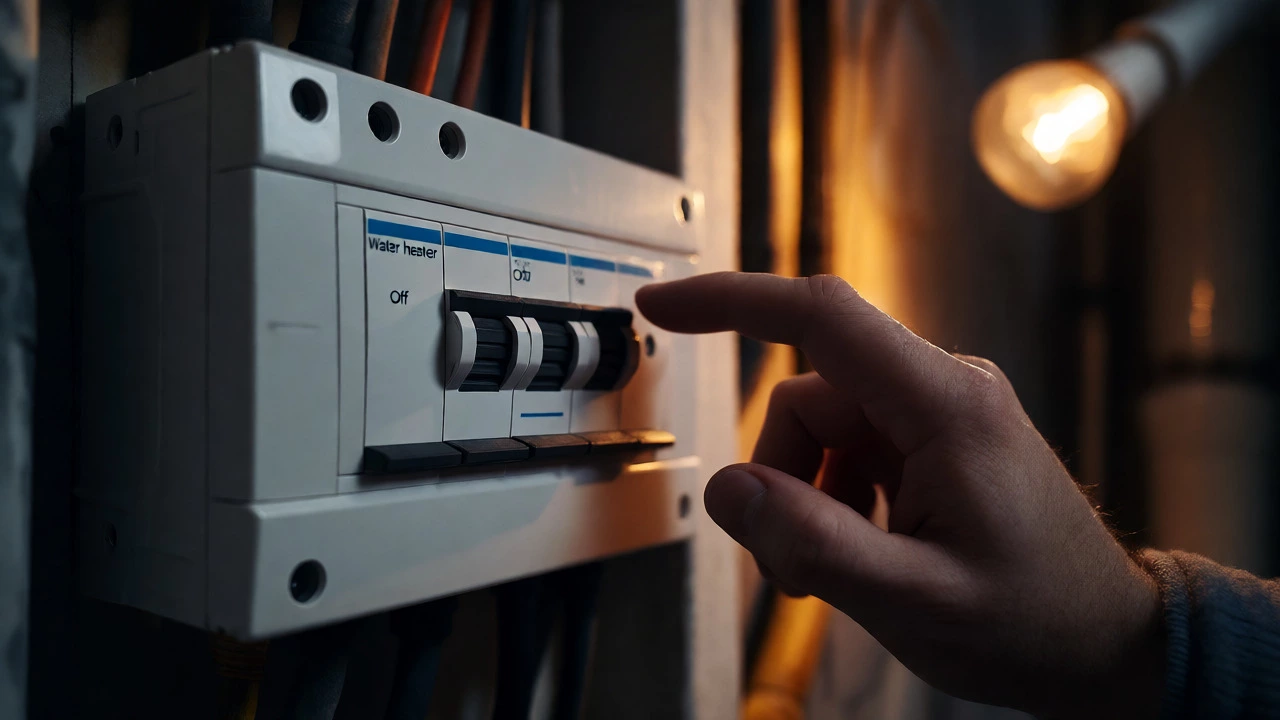
Go to your switchboard or fuse box. Look for the breaker labeled "Water Heater" or "Hot Water." Is it flipped to the "Off" position? Or is it stuck in the middle? Sometimes a breaker doesn’t fully trip; it just moves slightly. Turn it completely off, then firmly back on. If it trips again immediately, you likely have a short circuit or a faulty heating element, which requires a pro.
If you live in an older home with fuses, check the ceramic fuse associated with the heater. A blown fuse will look dark or have a broken filament inside. Replacing a fuse is cheap, but if it blows again, don’t keep replacing it without investigating further.
Check the Thermostat and High-Limit Switch
Most electric storage water heaters have two heating elements-one at the top and one at the bottom. They also have thermostats to control the temperature. Over time, these components can drift or fail.
Thermostats regulate when the elements turn on and off. If the thermostat fails open, the element won’t heat. If it fails closed, the water might get dangerously hot before tripping the safety cut-out.
Here’s how to check them safely:
- Turn off the power at the switchboard.
- Remove the access panel on the side of the heater (you’ll need a screwdriver).
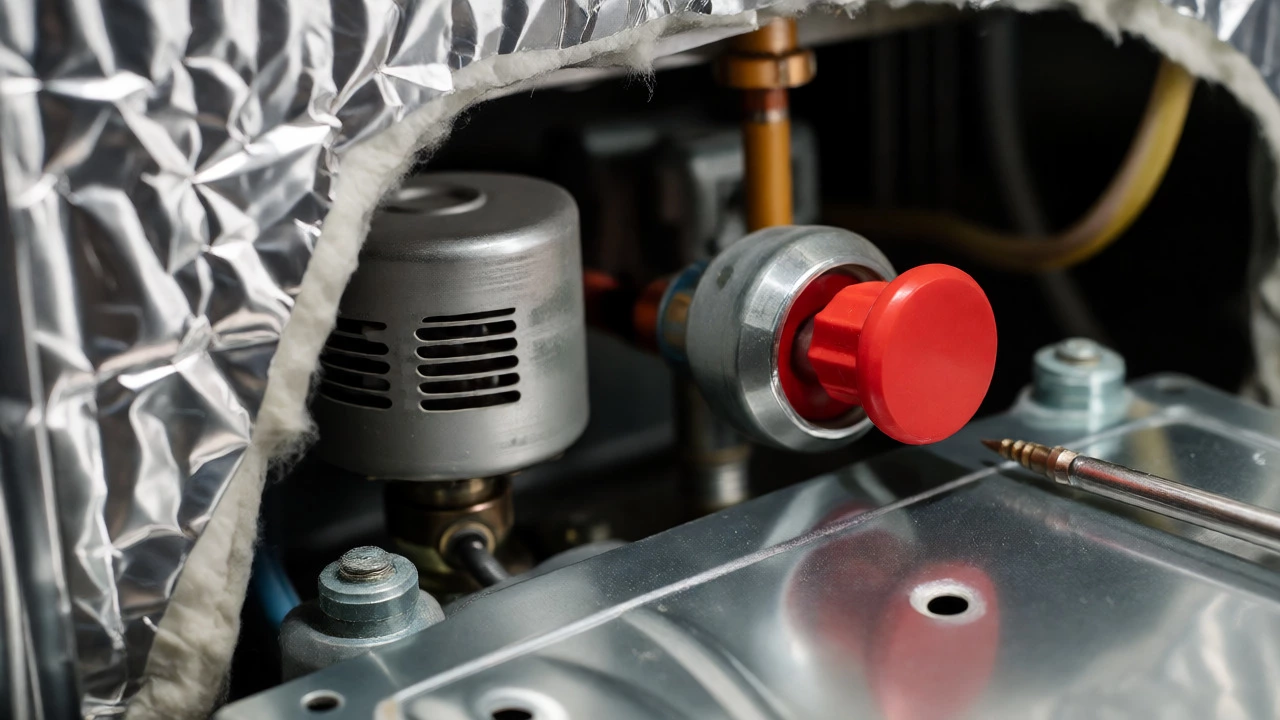
- Peel back the insulation carefully to reveal the thermostat.
- Look for a small red button labeled "Reset." This is the high-limit switch.
- If the button is popped out, press it back in. You should hear a faint click.
- Restore power and test the water after an hour.
If the reset button was popped out, your heater overheated. This could be due to a stuck relay or a failing element. If pressing reset solves the problem temporarily but it happens again within days, the component needs replacing.
Gas Heaters: Inspect the Pilot Light
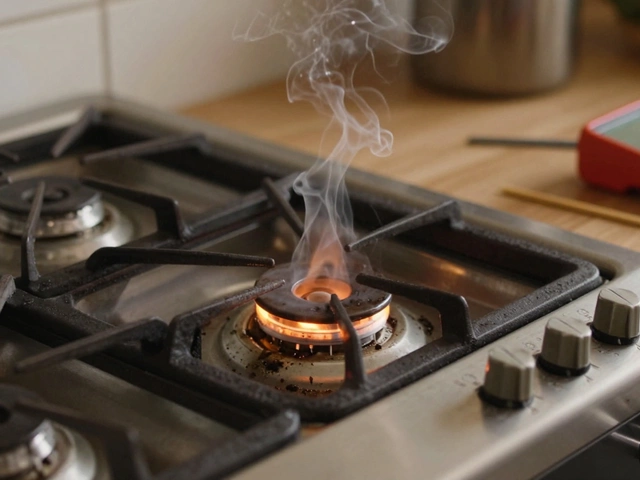
If you have a gas water heater, the issue is often mechanical rather than electrical. The pilot light is a small flame that ignites the main burner. If it goes out, you get no hot water.
Modern gas heaters use an electronic ignition system, but many older models still rely on a standing pilot light. Check the viewing window on the front of the unit. Do you see a steady blue flame? If it’s out, you may be able to relight it following the instructions printed on the label near the control knob. Typically, you turn the knob to "Pilot," hold down the ignite button, and release it once the flame stays lit.
If the pilot light won’t stay lit, the thermocouple-a safety device that shuts off gas if the pilot dies-is likely faulty. This is a relatively inexpensive part ($20-$40 NZD), but replacing it involves handling gas connections. If you aren’t comfortable working with gas, call a licensed gasfitter.
Look for Leaks and Corrosion
Water damage is sneaky. A slow leak from a fitting or the tank itself can drain enough water to prevent proper heating, or worse, cause structural damage. Put your hand behind the heater or look at the floor. Is there moisture?
Common leak sources include:
- T&P Valve: The Temperature and Pressure relief valve on the side might be dripping. This releases pressure if the water gets too hot. If it drips occasionally, it’s normal. If it gushes, the valve is faulty or the pressure is too high.
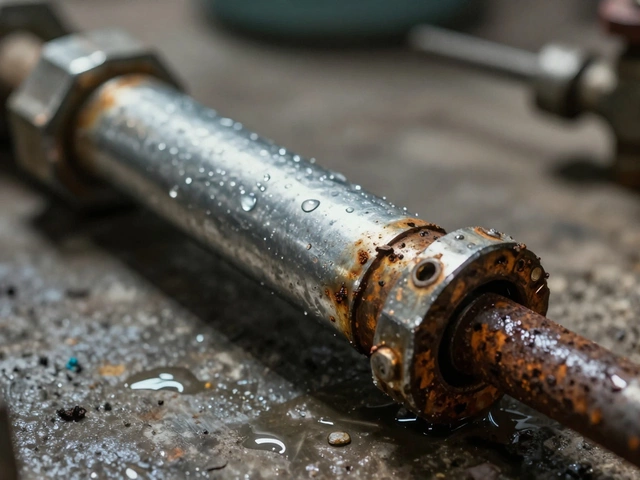
- Inlet/Outlet Pipes: Check the connections where pipes enter the tank. Corroded nuts can loosen over time.
- The Tank Itself: If you see rust streaks running down the side of the metal tank, the inner lining may have failed. Once a steel tank starts leaking, it cannot be repaired. Replacement is your only option.
Consider Sediment Buildup
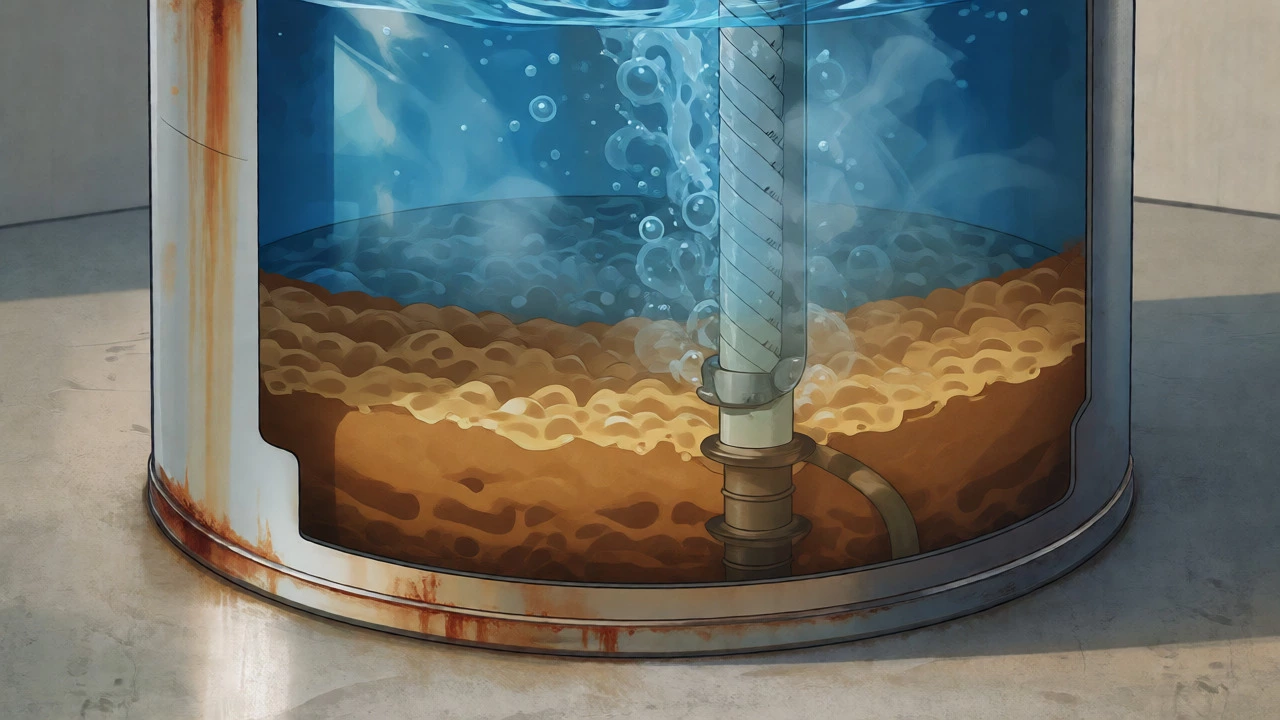
Auckland has hard water, meaning it contains high levels of calcium and magnesium. Over years, these minerals settle at the bottom of the tank as sediment. This layer acts as an insulator between the heating element and the water.
When the element heats up but can’t transfer that heat efficiently to the water, two things happen: the water takes longer to heat, and the element overheats and burns out. If your heater makes popping or rumbling noises when it runs, that’s steam bubbles trapped under sediment. That’s a clear sign you need to flush the tank.
To flush a tank:
- Turn off the power or gas supply.
- Connect a garden hose to the drain valve at the bottom of the heater.
- Run the hose to a drain outside.
- Open the drain valve slowly. Let several liters of cloudy water run out until it runs clear.
- Close the valve and refill the tank before turning the power back on.
Compare Repair vs. Replace
Not every failure warrants a repair. In New Zealand, the average lifespan of a standard electric storage water heater is 8 to 12 years. If yours is approaching that age, fixing a $150 part might not make financial sense when a new unit costs $600-$900 plus installation.
| Scenario | Recommended Action | Why? |
|---|---|---|
| Unit is < 5 years old | Repair | Warranty likely covers parts; labor cost is low relative to replacement. |
| Unit is 5-10 years old | Evaluate Cost | If repair cost exceeds 50% of new unit price, replace. |
| Unit is > 10 years old | Replace | Efficiency drops significantly; risk of sudden catastrophic leak increases. |
| Tank is leaking | Replace | Tanks cannot be patched reliably; immediate replacement needed. |
| Only one element failed | Repair | Elements are cheap ($30-$60); easy swap for DIYers. |
When to Call a Professional
Some jobs are dangerous for amateurs. Always call a qualified plumber or electrician if:
- You smell gas (evacuate and call your gas provider immediately).
- The circuit breaker trips repeatedly after resetting.
- You find water leaking directly from the tank body.
- You are uncomfortable removing panels or testing voltage with a multimeter.
- The T&P valve discharges large amounts of scalding water.
Remember, working with electricity and water is inherently risky. If you ever doubt your ability to isolate the power source correctly, stop and seek help. A minor repair bill is better than an electrical shock or a flooded bathroom.
How long does it take for a hot water heater to reheat after a reset?
For a standard 140-liter electric cylinder, expect 1 to 2 hours for the top element to heat the upper portion of the tank. Full recovery for the entire tank can take 3 to 4 hours depending on the wattage of the elements and the incoming water temperature.
Can I replace a heating element myself?
Yes, if you are handy and confident with basic tools. You must drain the tank partially, disconnect wires, unscrew the old element, and install the new one with a new gasket. However, always ensure the power is completely isolated at the switchboard before starting.
Why is my hot water lukewarm instead of hot?
This usually indicates a failed lower heating element or a thermostat set too low. In gas heaters, it could mean a clogged burner or low gas pressure. Check your thermostat settings first, then inspect the elements if accessible.
Does sediment really reduce hot water output?
Absolutely. Sediment displaces water volume and insulates the heating element. In severe cases, it can block the dip tube, causing cold water to mix with hot water prematurely, resulting in lukewarm showers even if the tank is technically "full" of hot water.
What is the typical life expectancy of a water heater in New Zealand?
In areas with hard water like Auckland, expect 8-10 years for standard tanks. With regular flushing and anode rod maintenance, some units last 12-15 years. Stainless steel or glass-lined tanks with premium warranties may last longer.