Gas Cooktop Repair Decision Tool
What is the primary symptom?
Let's check the details...
Recommended Action:
That moment when your gas burner refuses to light or flickers unpredictably is stressful. You’re mid-cook, dinner is late, and the kitchen feels like it’s holding its breath. The immediate question pops into your head: Can you repair a gas cooktop yourself, or do you need to call a pro?
The short answer is yes, but with a massive asterisk. You can handle cleaning, minor adjustments, and part replacements that don’t involve the gas supply lines. However, anything touching the gas flow, valves, or internal regulators requires a certified professional. In New Zealand, strict regulations govern gas work for good reason-carbon monoxide leaks and explosions are no joke.
Before you grab a screwdriver, let’s break down what you can safely fix at home versus what demands a licensed Gas Safe engineer (or their NZ equivalent). This guide will help you troubleshoot common issues without risking your safety or voiding your insurance.
Safety First: The Non-Negotiable Rules
Gas appliances are different from electrical ones. Electricity shocks you; gas kills you silently. Carbon monoxide (CO) is odorless, colorless, and deadly. Before attempting any repair on a gas cooktop, you must establish a safe environment.
- Turn off the gas supply: Locate the isolation valve near the appliance and shut it off completely. Do not rely solely on the knobs on the cooktop.
- Ventilate the area: Open windows and doors. If you smell rotten eggs (the added odorant for natural gas), evacuate immediately and call emergency services.
- No open flames: Keep candles, matches, and other ignition sources away while troubleshooting.
- Know your limits: If you are unsure about any step, stop. Call a professional. It’s cheaper than a hospital visit or a house fire.
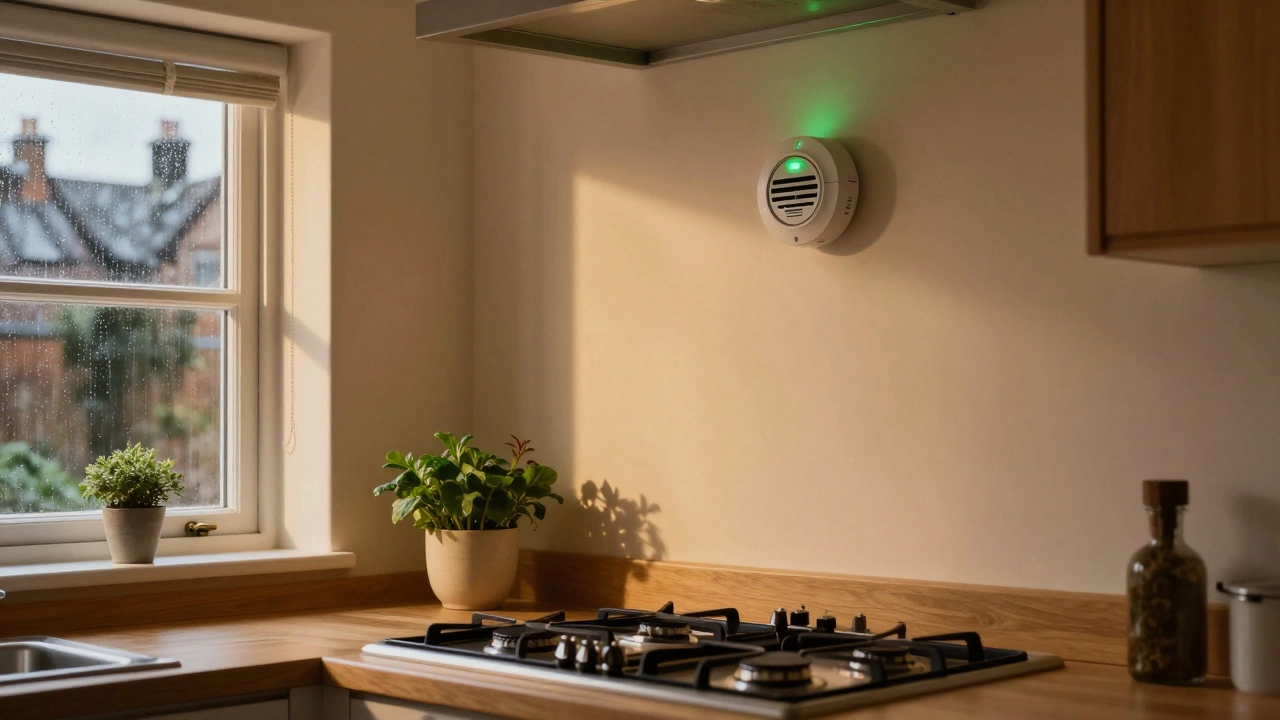
In Auckland, where humidity can affect metal components over time, regular safety checks are even more critical. Always ensure your carbon monoxide detectors are working and have fresh batteries.
DIY Fixes: What You Can Safely Handle
Many gas cooktop problems are actually cleanliness issues disguised as mechanical failures. Grease, food debris, and burnt-on spills block airflow and interfere with ignition. These are safe for homeowners to address.
Clogged Burner Ports
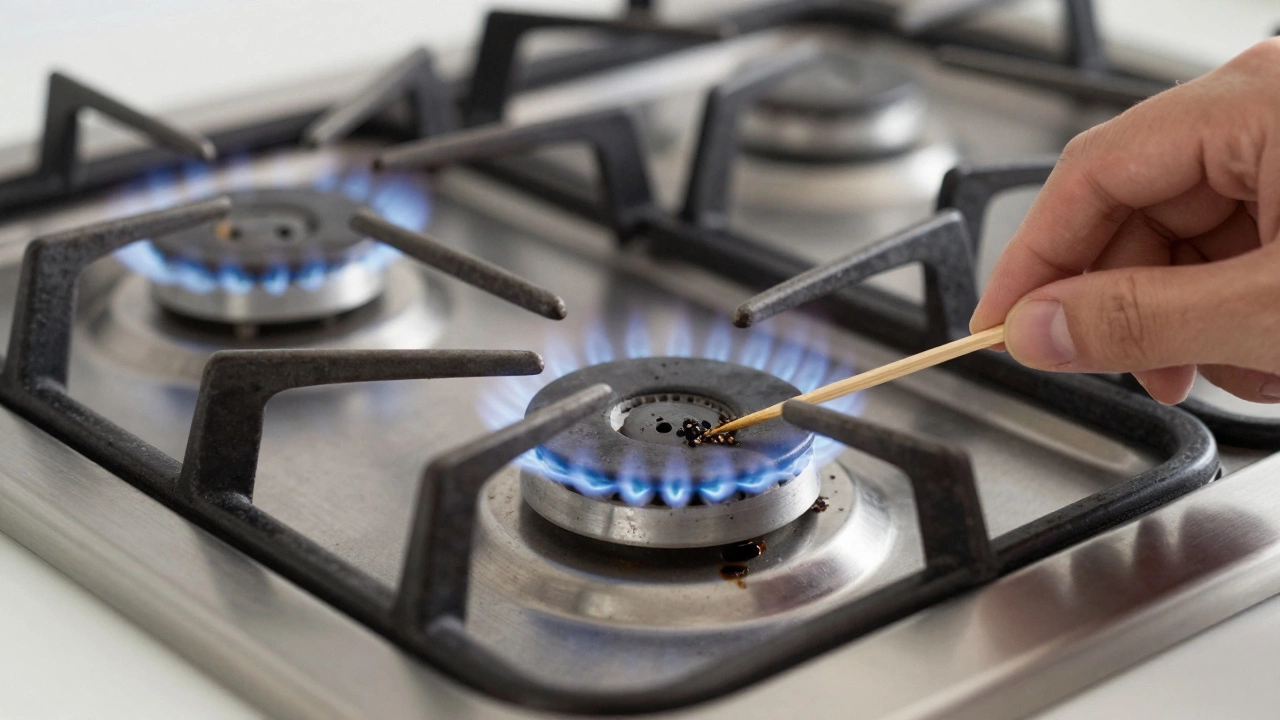
If your flame is yellow instead of blue, or if it lifts off the burner, air is likely mixing incorrectly due to blockages. Here’s how to fix it:
- Remove the burner cap and base. Most models allow this by simply lifting them straight up.
- Check the small holes (ports) around the burner ring. Use a toothpick, needle, or compressed air to clear any debris.
- Wash the parts in warm soapy water. Avoid abrasive scrubbers that might widen the ports unevenly.
- Dry thoroughly before reassembling. Moisture can cause ignition failure.
Faulty Ignition System
Modern gas cooktops use electric spark igniters. If you hear clicking but no flame, or no clicking at all, the issue might be electrical rather than gaseous.
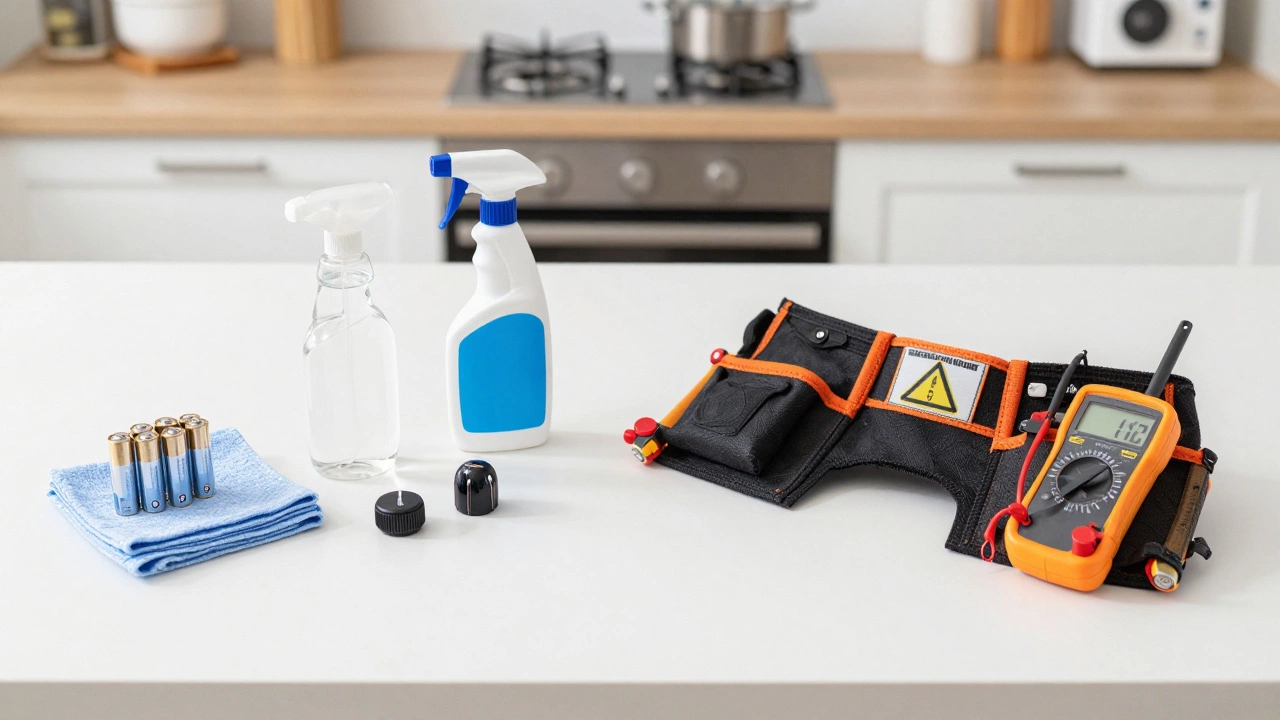
Check the battery compartment first. Many models run on AA or D-cell batteries. Replace them even if they seem fine-weak batteries often fail under load. If your model is hardwired, check the circuit breaker. A tripped breaker could kill power to the igniter while leaving the rest of the kitchen running.
You can also inspect the spark electrode. It’s the small metal pin near the burner. If it’s covered in grime, clean it gently with a dry cloth. If it’s cracked or misaligned, you may need to replace it. Replacement electrodes are inexpensive and widely available online or at hardware stores.
Knob and Control Issues
Stiff knobs or unresponsive controls are usually caused by grease buildup underneath. Remove the knob (often just pulling straight up works) and clean the shaft and surrounding area with a degreaser. Reattach firmly. If the knob is broken, buy an exact replacement using your model number.
When to Call a Professional: The Red Flags
Some repairs involve the gas train-the path gas takes from the supply line to the burner. Tampering with this system is illegal and dangerous unless you are certified. Here’s when to put down the tools and call a pro.
| Issue | DIY Safe? | Risk Level | Action Required |
|---|---|---|---|
| Clogged burner ports | Yes | Low | Clean with toothpick/air |
| Dead igniter batteries | Yes | Low | Replace batteries |
| Broken control knob | Yes | Low | Replace knob |
| Gas smell/leak | No | Critical | Evacuate & call gas company |
| Internal valve failure | No | High | Licensed technician required |
| Flexible hose damage | No | High | Professional replacement needed |
| Thermocouple malfunction | Moderate* | Medium | Test continuity; replace if skilled |
*Note: Thermocouples are safety devices that shut off gas if the flame goes out. While replacing one is mechanically simple, testing it requires understanding gas pressure and safety protocols. If you’re not confident, hire a pro.
Common Gas Cooktop Problems & Solutions
Let’s dive deeper into specific scenarios you might encounter. Understanding the root cause helps you decide whether to fix it yourself or seek help.
Yellow or Orange Flames
A healthy gas flame should be blue. Yellow or orange flames indicate incomplete combustion, which produces carbon monoxide. Common causes include:
- Dirt on burners: Clean the ports as described above.
- Poor ventilation: Ensure your kitchen has adequate airflow. Close windows during windy days if drafts disrupt the flame.
- Wrong air shutter setting: Some older models have an adjustable air shutter behind the burner. Adjusting this requires technical knowledge. If cleaning doesn’t fix the color, call a technician.
Flame Goes Out When Knob is Released
This is almost always a thermocouple issue. The thermocouple senses heat from the pilot light or main burner and keeps the gas valve open. If it fails, the gas shuts off as a safety measure.
You can test the thermocouple with a multimeter set to millivolts. A good thermocouple should read between 15-30 mV when heated. If it reads zero or very low, replace it. Installation involves unscrewing the old unit and fitting the new one into the same bracket. Ensure it sits directly in the flame.
One Burner Works, Others Don’t
If only one burner is affected, the problem is localized. Check that specific burner’s cap, port, and electrode. If multiple burners fail simultaneously, the issue might be with the main gas supply, the regulator, or the manifold. This points to a professional job.
Cost Comparison: DIY vs. Professional Repair
Is it worth calling a pro? Let’s look at the numbers. In Auckland, a licensed gas technician typically charges between $80-$120 per hour plus parts. A simple diagnostic visit might cost $150 upfront.
DIY costs are minimal: cleaning supplies ($5), replacement knobs ($10-$20), or thermocouples ($15-$30). However, factor in your time and risk. If you make a mistake, the repair bill skyrockets. Plus, improper repairs can void your home insurance policy.
For complex issues like gas leaks, valve replacements, or manifold repairs, professional service is non-negotiable. The peace of mind is worth every cent.
Maintenance Tips to Prevent Future Issues
Prevention is cheaper than cure. Regular maintenance extends the life of your gas cooktop and ensures safe operation.
- Clean after every use: Wipe down surfaces and remove food debris from burners while they’re cool.
- Inspect hoses annually: Look for cracks, fraying, or brittleness. Rubber hoses last 5-7 years; stainless steel braided hoses last longer but still degrade.
- Check for soot: Black soot around burners indicates poor combustion. Clean immediately and investigate air intake.
- Test CO detectors monthly: Press the test button to ensure they’re functioning.
- Schedule professional servicing: Every 2-3 years, have a certified technician inspect your gas appliances. They can detect hidden leaks and adjust pressures.
Choosing a Reliable Gas Technician in Auckland
Not all plumbers are qualified to work on gas appliances. In New Zealand, you need a licensed gasfitter. Look for credentials from GasSafe NZ or equivalent bodies.
Ask for references, check reviews, and verify insurance coverage. Avoid technicians who offer vague diagnoses or push unnecessary upgrades. A reputable pro will explain the issue clearly, provide a written quote, and guarantee their work.
If you’re renting, contact your landlord or property manager first. They may cover repair costs or have preferred contractors.
Can I replace a gas cooktop myself?
Installing a new gas cooktop involves connecting gas lines, which requires a licensed gasfitter in New Zealand. You can physically place the unit, but the gas connection must be done and tested by a professional to comply with local laws and safety standards.
How much does it cost to repair a gas cooktop?
Minor DIY fixes cost under $50 for parts. Professional repairs range from $150 for diagnostics to $400+ for complex valve or manifold issues. Labor rates in Auckland average $80-$120 per hour.
What should I do if I smell gas?
Evacuate the building immediately. Do not turn lights on or off, use phones, or create sparks. Once outside, call your gas provider or emergency services. Do not re-enter until professionals declare it safe.
Why is my gas flame yellow?
A yellow flame indicates incomplete combustion, often due to dirty burner ports, poor ventilation, or incorrect air-to-gas ratio. Clean the burners first. If the problem persists, consult a technician to adjust the air shutter or check for gas pressure issues.
How often should I service my gas cooktop?
Annual visual inspections and cleaning are recommended. Professional servicing every 2-3 years ensures safety compliance and optimal performance. More frequent checks are needed if you cook heavily or notice irregular flames.